 11
11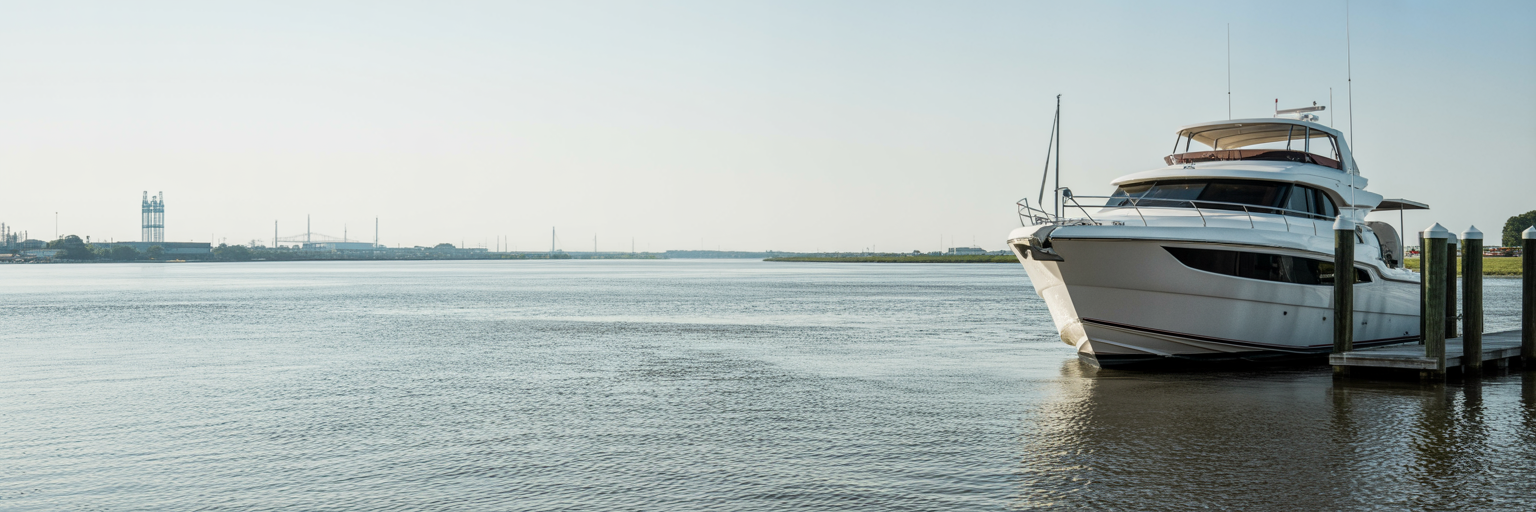
Savannah sits at a pivotal point along the U.S. East Coast migration route. Positioned between Florida’s dense yachting hubs and the Mid-Atlantic cruising grounds, it serves as a practical fueling stop for yachts traveling north in spring and south in fall.
Unlike Fort Lauderdale or Miami, Savannah is not defined by luxury marina density. It is defined by access, logistics, and commercial-grade fuel infrastructure. For captains moving vessels along the Intracoastal Waterway or offshore routes, understanding where to fuel a yacht in Savannah requires evaluating tidal conditions, river currents, dock access, and delivered marine diesel availability.
Savannah is less about glamour and more about operational efficiency.
Savannah’s position along the Atlantic migration route makes it an ideal midpoint fueling stop for yachts traveling between:
Many vessels use Savannah to:
Because it is not as saturated with superyachts as South Florida, fueling logistics are often more straightforward.
Fueling in Savannah revolves around the Savannah River.
Captains must account for:
The port supports large commercial vessels, which means deepwater access is available. However, coordination with marina operators and awareness of ship channel activity is important.
Savannah’s infrastructure is built for industry. That can work in a yacht’s favor when structured correctly.
Dockside fueling is available at select marinas and river-accessible facilities.
Advantages include:
However, dockside pricing may reflect retail marine diesel rates, particularly in facilities servicing transient yachts.
Because Savannah is less retail-focused than South Florida, some marinas prioritize commercial clients and may have limited space for larger yachts during peak river traffic.
Captains should confirm:
Retail convenience exists, but planning is essential.
Delivered marine diesel plays a significant role in Savannah’s fueling structure.
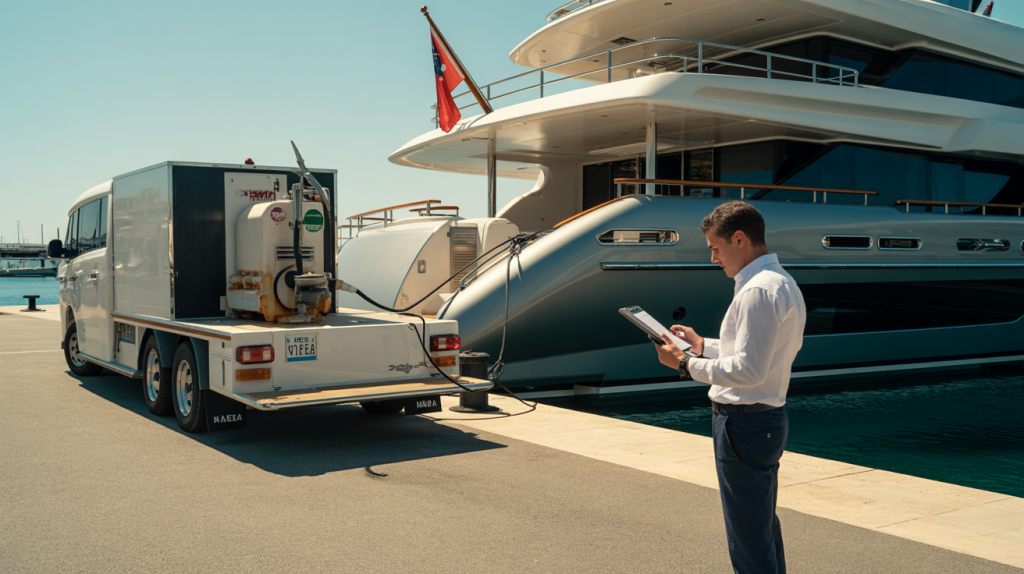
Given the port’s commercial infrastructure, fuel trucks frequently service marine accounts, particularly for:
Truck delivery often allows pricing based on rack plus spread rather than marina board rates.
Benefits include:
Because Savannah connects to strong regional fuel terminals, distributors may have access to competitive rack pricing relative to more recreational-heavy ports.
For yachts taking on substantial volume during migration, delivery can provide both efficiency and pricing leverage.
Savannah’s fuel demand follows migration cycles more than year-round charter activity.
Peak activity typically aligns with:
Unlike South Florida, Savannah does not experience the same winter charter density. Instead, demand spikes during transitional cruising seasons.
Captains planning fueling stops during migration periods should schedule deliveries in advance to avoid congestion during high-traffic weeks.
Savannah sits between two active fueling markets.
Charleston:
Jacksonville:
Savannah balances commercial capability with manageable yacht traffic. It often provides a middle-ground fueling option for captains seeking efficiency without heavy marina congestion.
For vessels making longer offshore legs, Savannah can serve as a practical staging and refueling point.
Marine diesel pricing in Savannah is influenced by:
Because Savannah benefits from established fuel distribution networks serving commercial shipping, rack access can be competitive.
As in all markets, pricing improves with volume.
Smaller dockside fills may carry retail pricing. Larger delivered orders often allow negotiation flexibility.
Captains transiting long distances frequently consolidate volume in Savannah to optimize per-gallon cost before heading toward the Carolinas or Mid-Atlantic.
Fueling along the Savannah River requires coordination.
Captains should monitor:
River currents can be significant, particularly during strong tidal exchanges. Scheduling fueling during manageable tide windows can improve safety and efficiency.
Unlike calm marina basins in South Florida, river fueling demands attention to vessel handling.
Savannah attracts:
Because traffic is migration-driven rather than locally concentrated, distributor relationships can play a major role in pricing structure.
Savannah is often a planned stop, not an impulsive one.
For yachts traveling long distances, Savannah can serve as a key fueling checkpoint.
Effective strategy includes:
Fuel planning during migration is not simply about topping off. It is about positioning the vessel for the next operational phase.
Savannah supports that role when approached with preparation.
Savannah may not carry the marina density of Fort Lauderdale or the charter energy of Miami, but it offers something equally valuable: structured access along a major marine corridor.
Its commercial-grade infrastructure, deepwater access, and distributor presence make it a practical fueling environment for yachts moving along the East Coast.
Dockside fueling offers convenience for moderate fills. Delivered marine diesel often provides flexibility and pricing efficiency for larger volumes.
For captains navigating migration seasons, Savannah remains one of the most strategically positioned fueling stops between Florida and the Mid-Atlantic.