 11
11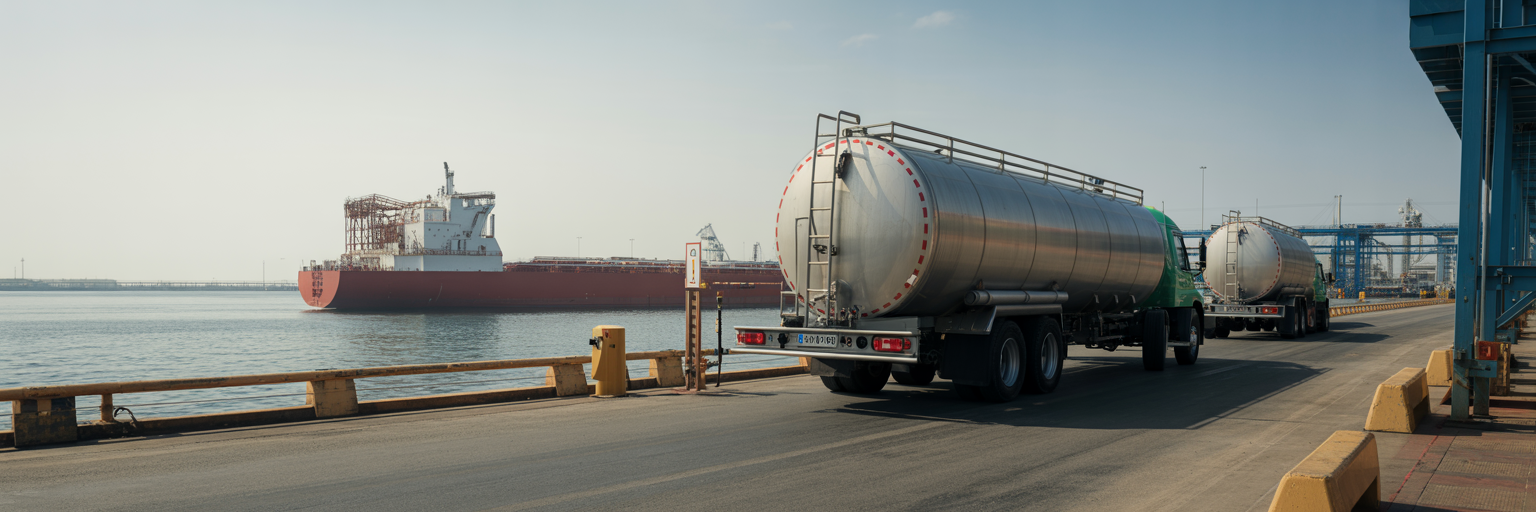
If there is one concept that separates retail fuel buyers from strategic fuel buyers, it is rack pricing. Most captains see the final delivered number per gallon. Few fully understand how that number is constructed. Yet nearly every serious marine diesel transaction begins at the rack. Understanding how marine diesel pricing works is crucial.
For captains, yacht managers, and fleet operators looking to reduce fuel costs, understanding rack pricing is not optional. It is foundational.
This guide explains what rack pricing is, how it influences marine diesel costs, how suppliers structure rack-plus agreements, and why understanding rack movement gives captains leverage.
Rack pricing refers to the wholesale price of fuel at the terminal, before distribution markups are added.
Fuel terminals store refined diesel delivered from refineries. Distributors purchase diesel at these terminals at the rack price. From there, they transport the fuel to:
The rack is essentially the loading point where tanker trucks fill before making deliveries.
The number posted at the rack is not what the yacht pays. It is the starting point.
Rack prices fluctuate daily, sometimes multiple times per day. They are influenced by:
Rack prices are regional. The rack in Tampa may differ from the rack in Fort Lauderdale. Gulf Coast racks often differ from East Coast racks.
This regional variation is why marine diesel pricing can change depending on port.
Understanding where your fuel originates matters.
Once a distributor purchases fuel at rack, several cost components are added:
The difference between rack price and final delivered price is called the spread.
The spread is negotiable. The rack is not.
Captains who understand this distinction negotiate effectively.
Many larger marine diesel transactions are structured as rack plus spread.
Example structure:
Rack price on day of delivery
If rack is $3.10 and the agreed spread is $0.65, the delivered price becomes $3.75.
If rack rises to $3.30, the delivered price becomes $3.95.
The spread remains fixed. The rack floats.
This structure creates transparency. Both buyer and supplier see the same rack movement.
Marina dockside pricing is often posted as a fixed retail number.
Behind the scenes, that price is also influenced by rack movement, but:
Retail pricing often embeds additional margin to cover marina overhead and lower transaction volume.
Rack-plus agreements are typically more common in delivered marine diesel transactions.
Captains operating large yachts should not rely solely on supplier quotes.
Monitoring rack pricing allows you to:
Rack pricing data is often available through industry reporting services or supplier communication.
When crude oil trends upward, rack generally follows. When distillate inventories build, rack may soften.
Awareness prevents surprises.
Rack is wholesale. Spread is margin.
Volume influences spread.
A yacht taking on 500 gallons offers limited leverage. A yacht taking on 5,000 gallons offers meaningful leverage. A fleet taking 100,000 gallons annually offers strategic leverage.
Higher volume allows captains and yacht managers to negotiate:
The rack does not change based on your volume. The spread does.
Understanding that difference is critical.
Marine diesel rack pricing varies by geography.
Factors include:
Gulf Coast regions often benefit from proximity to refining infrastructure. East Coast markets may rely more heavily on pipeline distribution and imports.
Captains fueling in multiple regions should expect rack-based pricing differences even before spread is applied.
Comparing rack data between ports can help determine where to consolidate larger fills.
Marine diesel prices fluctuate with energy markets. However, volatility often originates at the rack.
During periods of:
Rack pricing can move quickly.
Captains who monitor rack trends may choose to:
While no one can predict exact market timing, awareness improves decision-making.
Rack-plus pricing structures foster transparency between supplier and buyer.
Both parties operate with:
This reduces opportunistic pricing behavior and builds long-term supplier relationships.
For yacht management companies overseeing fleets, rack transparency simplifies budgeting and audit review.
Invoices can be cross-checked against published rack numbers.
Confidence replaces guesswork.
Some captains assume that rack pricing guarantees the lowest possible rate.
Not necessarily.
Rack-plus pricing still depends on:
A poorly negotiated spread can erase rack advantages.
Others assume that rack pricing means fixed pricing.
It does not. Rack floats daily. Only the spread remains fixed in most agreements.
Understanding these nuances prevents costly assumptions.
Rack-plus agreements are most beneficial for:
For smaller recreational vessels fueling occasionally, dockside retail may remain the simplest approach.
Rack awareness becomes increasingly important as volume increases.
Captains seeking to operate more strategically can:
Fuel purchasing should be treated like any other operational expense category.
Information improves leverage.
Understanding rack pricing changes how you view marine diesel entirely.
Instead of reacting to posted dockside numbers, you begin evaluating:
The result is not just marginal savings. It is structural efficiency.
Captains who understand rack pricing are not simply buying fuel. They are managing procurement.
In high-volume yachting environments, that distinction matters.