 11
11
Marine diesel pricing is one of the largest variable expenses in yacht operations. Whether you’re running a 60-foot sportfish or managing a 180-foot superyacht, understanding marine diesel price per gallon can mean the difference between controlled fuel budgeting and unexpected six-figure overruns.
Unlike automotive diesel, how marine diesel pricing operates in a layered marketplace. Dockside retail rates, wholesale supply contracts, seasonal fluctuations, and regional port dynamics all influence what yacht owners ultimately pay.
In this guide, we break down what determines marine diesel price per gallon, what yacht owners should realistically expect to pay, and how pricing changes based on volume, port, and purchasing structure.
Marine diesel prices vary by:
In high-traffic marine hubs like South Florida, marine diesel dockside retail prices often run significantly higher than commercial rack pricing. Retail marina fuel docks carry higher overhead, which includes dock infrastructure, marina staffing, credit card processing fees, and environmental compliance costs.
As a result, yacht owners frequently see:
The key takeaway: the posted marina fuel price is rarely the lowest available market price.
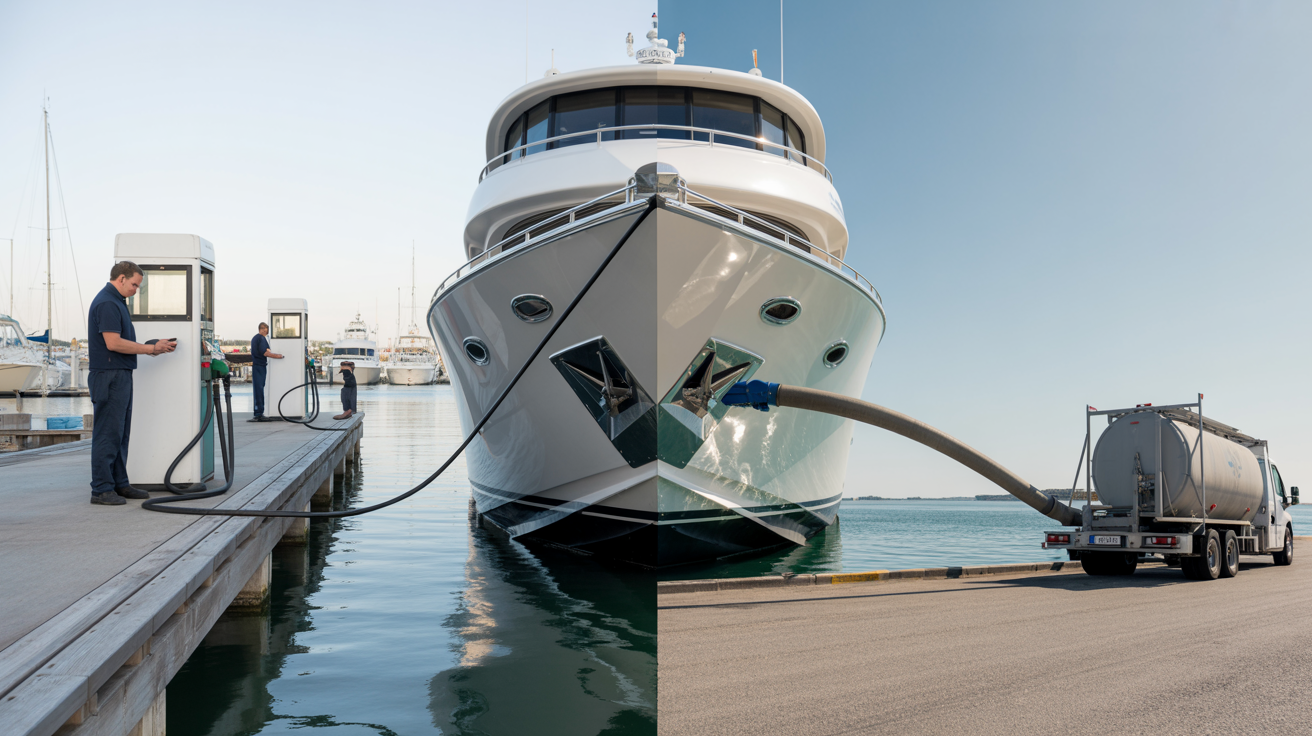
There are two primary ways yachts purchase diesel fuel:
This is the most convenient option. You pull in, fuel up, and pay at the dock.
However, retail pricing typically includes:
Retail fuel pricing is generally the highest per-gallon option.
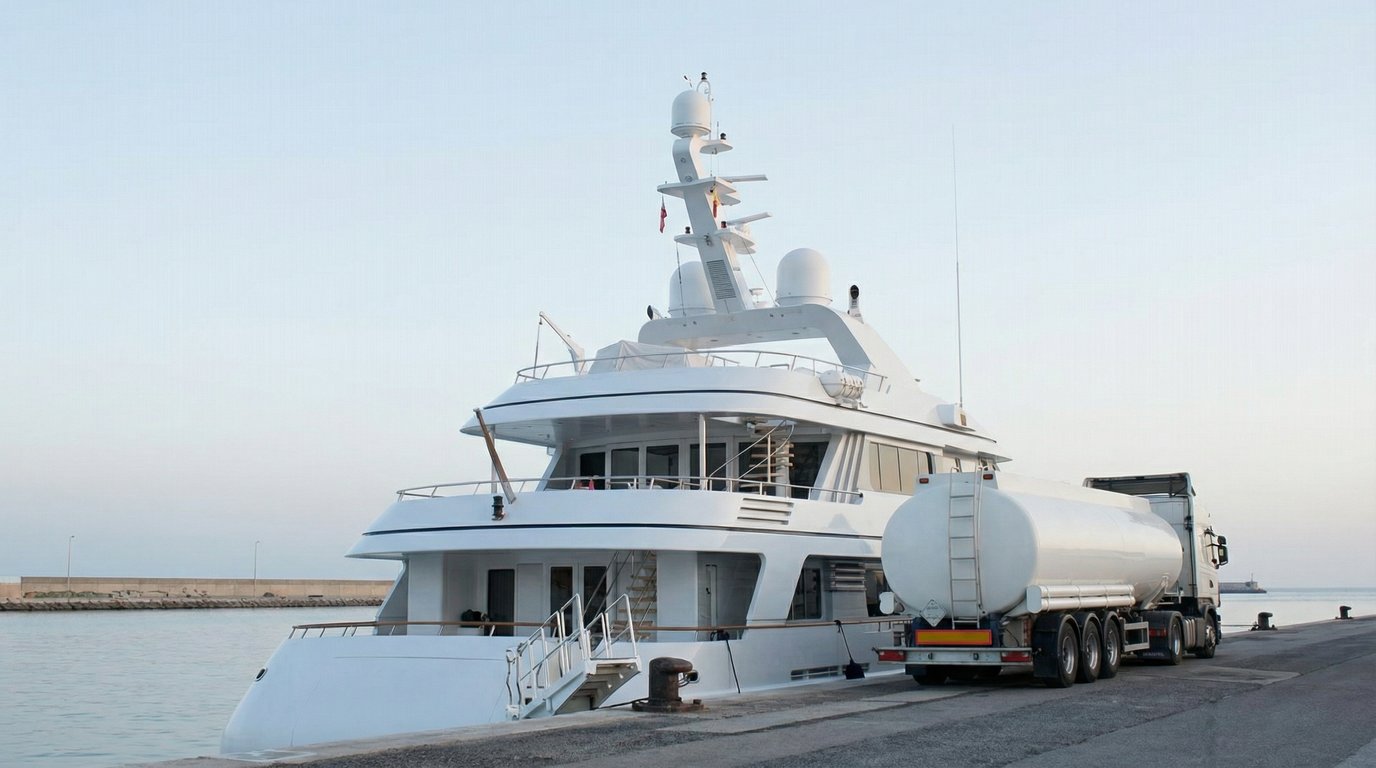
For larger yachts or captains managing fuel costs closely, truck delivery often offers significantly better per-gallon pricing.
Why?
Fuel trucks source diesel closer to rack pricing. When ordering in volume, the supplier may pass along a portion of that wholesale spread.
For yachts taking on:
The savings per gallon can become substantial.
Marine diesel pricing is not random. It follows predictable structural drivers.
Global crude oil markets directly influence refined diesel pricing. When crude rises, diesel follows. When crude falls, diesel softens.
However, marine diesel does not move in perfect synchronization with crude. Refining capacity and regional supply constraints also affect pricing.
Rack price is the wholesale price fuel distributors pay at the terminal.
Each region has its own rack market influenced by:
South Florida rack pricing may differ from Texas or the Northeast. This directly impacts what marine fuel distributors can offer.
Marine diesel pricing often increases during:
In major yachting markets like Fort Lauderdale and Miami, winter demand can tighten supply and firm up pricing.
Volume is one of the most powerful pricing levers.
Small fill-ups:
Large fills:
This is why superyachts and fleet operators rarely pay posted dockside rates.
While exact prices fluctuate daily, yacht owners should understand the pricing tiers conceptually:
Tier 1: Retail Dockside Pricing
Tier 2: Standard Delivered Marine Diesel
Tier 3: High-Volume or Contract Pricing
Understanding which tier you operate in changes your annual fuel budget significantly.
It is common for two yachts fueling at the same marina to pay different effective prices per gallon.
Reasons include:
Marine diesel pricing is relationship-driven and volume-sensitive.
There are structured ways to reduce marine diesel price per gallon without sacrificing fuel quality.
Consolidating fuel purchases into larger orders often improves pricing leverage.
Wholesale-aligned suppliers can access rack-based pricing structures not available at retail docks.
Strategic fueling before peak demand periods may offer better rates.
The difference between rack price and retail marina price is known as the spread.
Understanding this margin helps captains and yacht managers negotiate more effectively.
Florida remains one of the most active marine diesel markets in the United States due to:
Because of this, Florida markets often offer competitive wholesale opportunities — but retail dockside pricing can remain elevated due to strong demand.
Yacht owners operating between regions should expect price variability depending on terminal access and seasonal patterns.
A common misconception is that lower pricing means lower quality.
In most cases:
That said, supplier reputation and delivery standards still matter. Price alone should not be the only evaluation factor.
Marine diesel price per gallon is not a fixed number. It’s a moving target influenced by:
Retail dockside fueling offers convenience but commands premium pricing. Larger volume purchasing through wholesale-aligned suppliers typically provides measurable savings.
For yacht owners and captains serious about fuel cost control, understanding the structure behind pricing is far more powerful than watching posted dockside numbers.
As fuel costs continue to represent one of the largest operational expenses in yachting, pricing strategy matters.