 11
11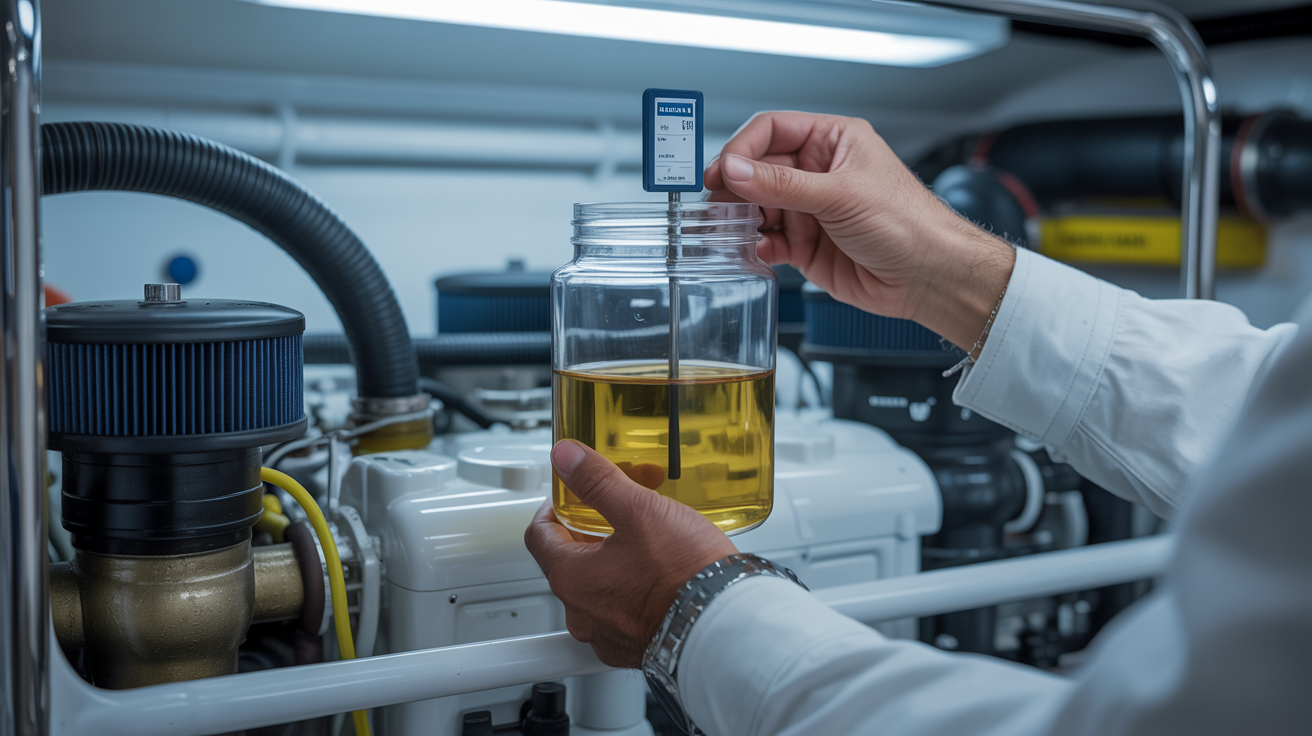
Fuel quality is one of the most critical factors in the safe and efficient operation of a yacht. Marine diesel powers propulsion systems, generators, and other onboard equipment that vessels rely on during voyages. When fuel quality is compromised, the results can range from minor performance issues to serious engine damage.
Because of these risks, yacht captains and engineers take fuel quality very seriously. Before accepting fuel deliveries or relying on stored fuel, many vessels follow specific procedures to verify that the marine diesel meets acceptable quality standards.
Marine diesel fuel testing helps identify potential problems such as water contamination, microbial growth, sediment buildup, or degraded fuel properties. Detecting these issues early allows crews to take corrective action before the fuel reaches sensitive engine components.
Understanding how captains verify marine diesel quality provides valuable insight into the operational practices used throughout the professional yachting industry.
Marine diesel engines are built with tight tolerances and rely on clean, stable fuel to operate efficiently. Even small amounts of contamination can cause problems inside the fuel system.
Common issues associated with contaminated marine diesel include:
For yachts traveling long distances or operating in remote regions, engine reliability is essential. Fuel problems that might be manageable in port can become serious safety concerns when they occur offshore. Testing fuel before it enters the vessel’s fuel system allows captains and engineers to identify problems early and prevent costly repairs.
Marine diesel can become contaminated through several mechanisms during production, transportation, or storage. Understanding these potential contaminants helps explain why fuel testing is necessary.
Water is one of the most common contaminants found in marine diesel fuel.
Water can enter fuel systems through:
Even small amounts of water can lead to corrosion, microbial growth, and reduced fuel efficiency. Water contamination can also promote the development of fuel microbes, which further degrade fuel quality.
Microbial contamination occurs when bacteria or fungi grow in diesel fuel systems. These microorganisms thrive in the presence of water and feed on hydrocarbons within the fuel.
As microbes multiply, they produce sludge-like byproducts that can clog filters and fuel lines.
Signs of microbial contamination may include:
Fuel testing can detect microbial activity before it causes major operational problems.
Particles such as rust, dirt, and sediment can accumulate in fuel during storage and transportation.
These contaminants may originate from:
Particles can block fuel filters and damage sensitive fuel injection systems. Routine fuel testing helps determine whether sediment levels exceed acceptable limits.
Over time, diesel fuel can chemically degrade, especially when stored for extended periods. Oxidation, temperature changes, and exposure to air can alter the chemical composition of the fuel.
Degraded fuel may result in:
Testing stored fuel helps determine whether it remains suitable for use.
Many yacht engineers perform basic fuel testing onboard before accepting deliveries or transferring fuel to critical systems.
These tests are designed to quickly identify obvious contamination issues.
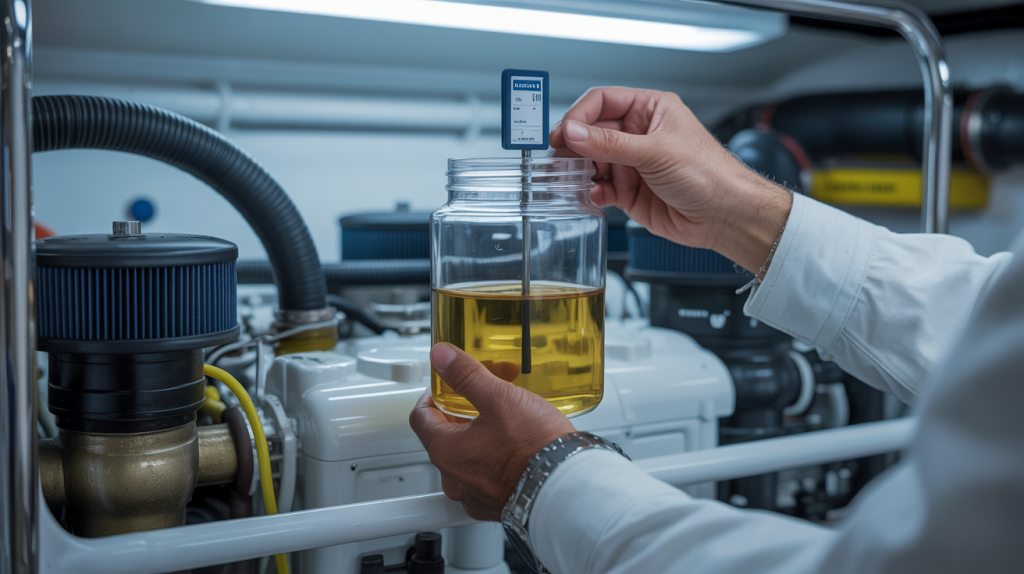
One of the simplest fuel quality checks involves visually inspecting a fuel sample.
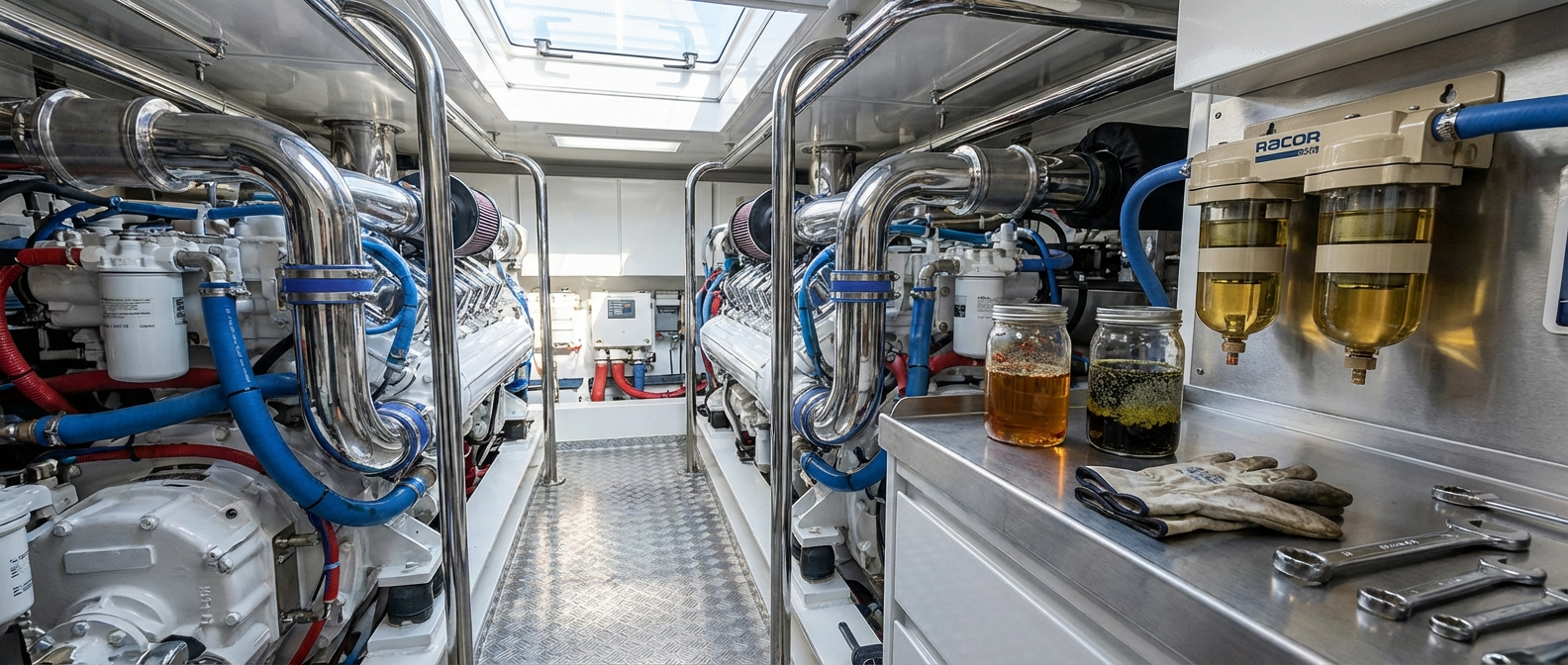
Engineers typically draw a sample from the delivery hose or storage tank and examine it in a clear container.
They look for signs such as:
Clean diesel fuel should appear clear and bright.
If the fuel appears cloudy or contains visible debris, additional testing may be required.
Several simple test kits are available to detect water contamination in diesel fuel. These kits often use chemical indicators that change color when water is present.
Water detection tests help identify whether moisture levels exceed acceptable thresholds. In many cases, these tests can be performed within minutes, providing quick confirmation of fuel quality before transfer operations continue.
Microbial contamination can be detected using specialized onboard test kits. These kits typically involve placing a fuel sample onto a testing medium that reacts to microbial presence.
Results are usually available within a short time frame and indicate whether bacteria or fungi are present in the fuel. If microbial growth is detected, the vessel may need to treat the fuel with biocides or conduct fuel polishing procedures.
While onboard testing provides quick screening, laboratory fuel analysis offers more detailed insights into fuel composition and quality.
Captains or yacht management companies may send fuel samples to specialized laboratories for testing. Laboratory analysis can measure several critical fuel characteristics.
Lab tests can determine whether the fuel remains chemically stable and suitable for long-term storage.
Precise measurements identify the concentration of water and particulate matter in the fuel.
Laboratories can confirm the presence of microbial organisms and evaluate their severity.
Testing also confirms whether the fuel meets established standards such as ASTM specifications for marine diesel. Laboratory testing provides a higher level of confidence in fuel quality, particularly for large fuel purchases or vessels planning extended voyages.
Fuel testing is commonly performed during several key stages of yacht operations.
Captains or engineers may test fuel samples before allowing fuel to enter the vessel’s tanks. This precaution helps verify that the fuel meets acceptable standards.
Yachts that store fuel for extended periods may periodically test fuel to ensure it has not degraded or become contaminated.
If a vessel experiences filter clogging or engine performance problems, fuel testing may help identify whether contaminated diesel is the cause.
Routine testing can be incorporated into broader maintenance programs to monitor fuel quality over time.
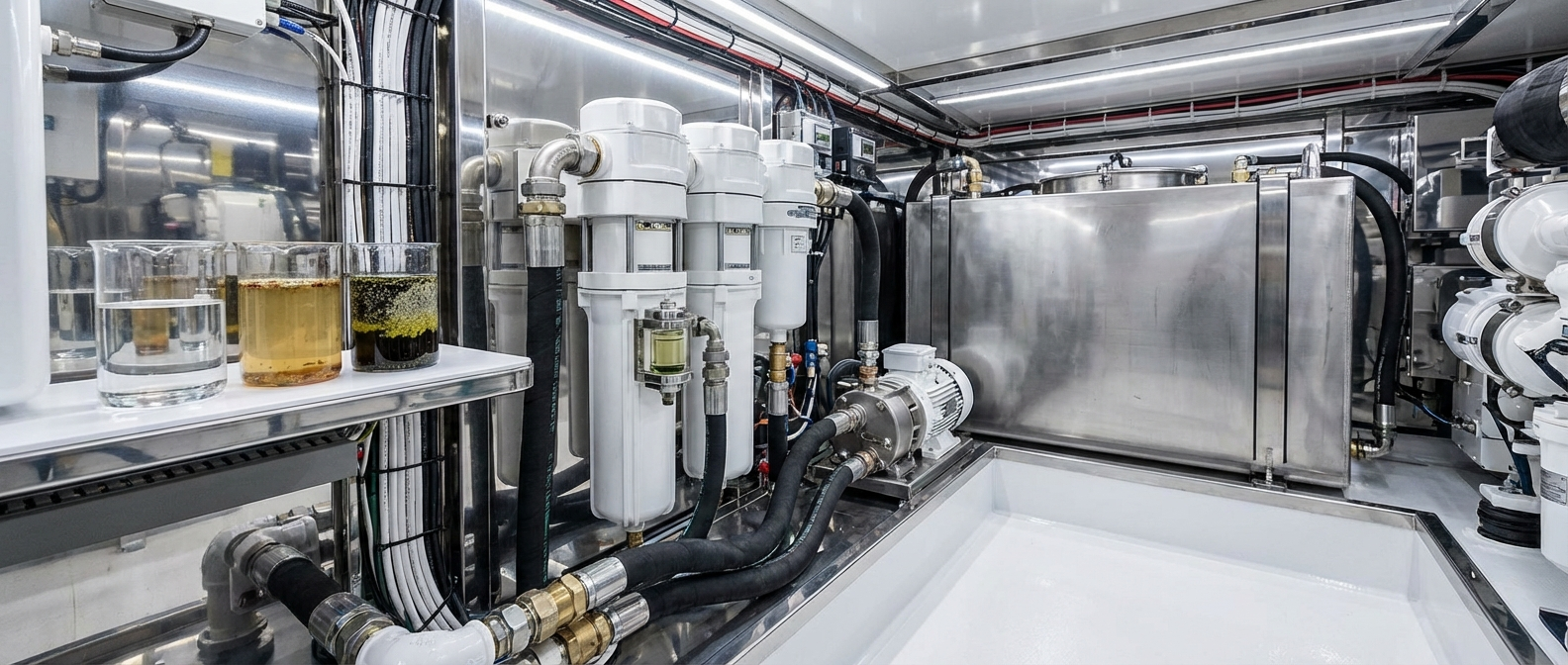
When fuel contamination is detected, fuel polishing systems can help restore fuel quality. Fuel polishing involves circulating diesel through filtration systems designed to remove contaminants such as:
These systems can significantly extend the usable life of stored fuel and improve engine reliability. Many yachts rely on onboard fuel polishing equipment as part of their fuel quality management strategy.
Maintaining high-quality fuel requires a combination of proper storage practices and regular monitoring. Captains and engineers often follow several best practices:
By following these procedures, yacht crews can significantly reduce the risk of contamination and protect critical engine systems.
Marine diesel fuel testing plays a crucial role in maintaining the reliability and safety of yacht operations. By verifying fuel quality before it enters the vessel’s systems, captains and engineers can detect contamination early and prevent serious mechanical problems.
From simple onboard inspections to detailed laboratory analysis, fuel testing provides valuable information about the condition of marine diesel fuel. Combined with proper storage and filtration practices, these procedures help ensure that engines receive clean, stable fuel throughout a vessel’s operational life.
In an industry where reliability and safety are paramount, careful fuel quality management remains one of the most important responsibilities for yacht crews.