 11
11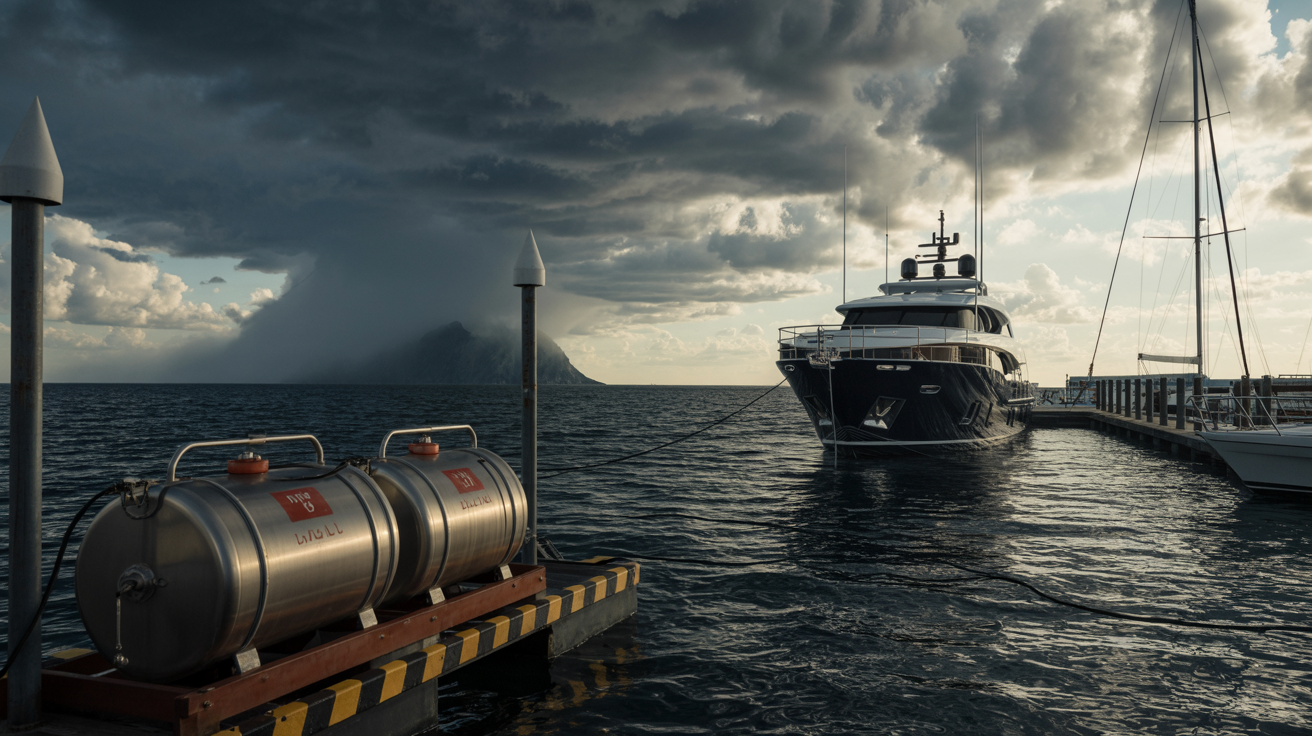
For yacht captains and operators, access to reliable marine diesel is essential for maintaining operational schedules, safety, and voyage planning. While fuel supply is generally stable across most major ports, extreme weather events can significantly disrupt marine diesel availability.
Hurricanes, tropical storms, and severe weather systems can affect nearly every stage of the marine fuel supply chain. From refinery production to transportation networks and marina operations, weather-related disruptions can quickly limit fuel availability in coastal regions.
For vessels operating in areas prone to storms, such as the U.S. Gulf Coast, Florida, and the Caribbean, understanding how weather affects marine diesel supply is an important part of operational planning. Captains who anticipate potential disruptions can make proactive fueling decisions that reduce delays and ensure safe passage during uncertain conditions.
To understand how hurricanes impact fuel availability, it helps to first understand how marine diesel reaches marinas and ports.
Marine diesel moves through several stages before reaching a yacht:
Each step in this process depends on infrastructure that can be affected by severe weather.
When hurricanes approach coastal regions, disruptions can occur at multiple points along this supply chain. Even a short interruption at one stage can reduce available fuel supply at local marinas.
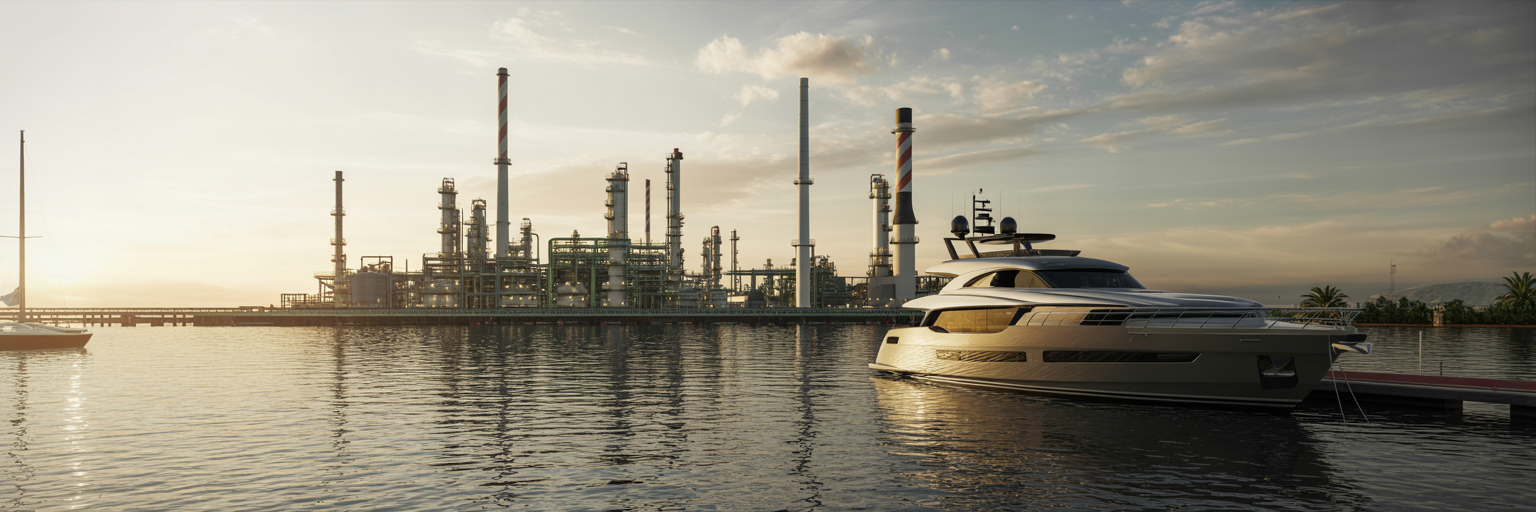
Refineries located along the Gulf Coast play a critical role in producing diesel fuel used across the United States. These facilities process crude oil into various fuel products, including marine diesel.
When major storms approach, refineries may temporarily shut down operations as a safety precaution. This is especially common in areas such as:
These regions account for a large portion of U.S. fuel production.
Refinery shutdowns are necessary to protect workers and equipment, but they can temporarily reduce fuel output. When several refineries shut down simultaneously during a major storm, fuel production may decline significantly.
Once the storm passes, restarting refinery operations can take time, which can extend supply disruptions.
Ports are critical hubs in the fuel distribution network. Fuel shipments arriving by tanker vessels or barges must pass through major ports before reaching fuel terminals and distributors.
When hurricanes approach coastal areas, port authorities may temporarily close shipping channels for safety reasons.
These closures can halt the movement of fuel shipments and delay deliveries to distribution terminals.
For example, major ports along the Gulf and Atlantic coasts may suspend vessel traffic during severe weather events. This can delay incoming fuel shipments and reduce supply available to wholesalers and marinas.
Once conditions improve, port operations gradually resume, but the backlog of delayed shipments can take time to clear.
Fuel terminals serve as storage and distribution centers where suppliers purchase diesel at wholesale rack prices.
During hurricanes, terminals may experience operational disruptions due to:
Even if fuel remains stored at a terminal, distribution may slow if trucks cannot safely access the facility or if terminal staff cannot operate normally.
When terminals suspend operations temporarily, fuel distributors may struggle to replenish inventory, which can eventually affect marina supply.
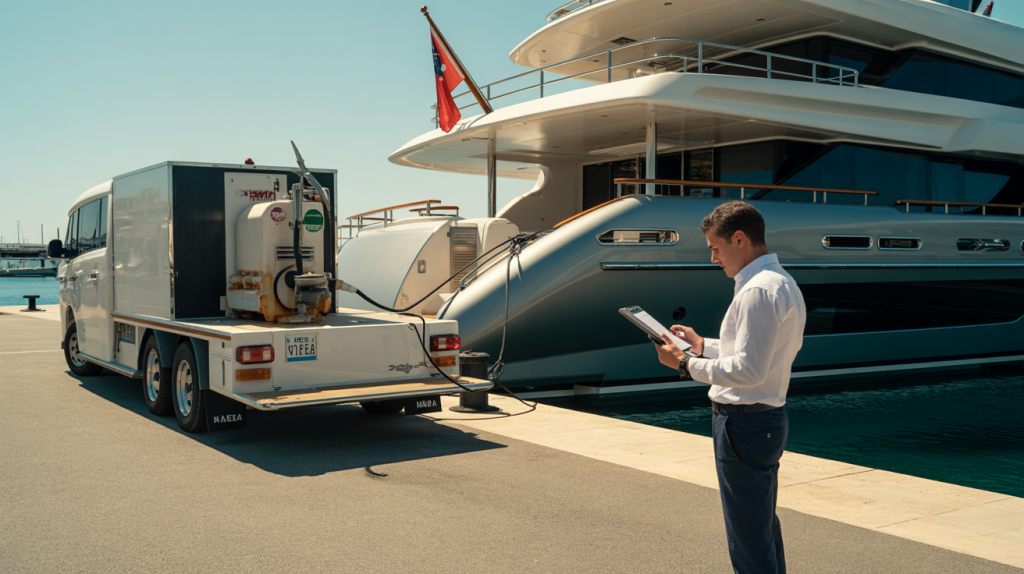
Fuel must be transported from terminals to marinas and vessels using tanker trucks, pipelines, or fuel barges.
Severe weather can disrupt these transportation systems in several ways.
Road closures
Flooded or damaged roads can prevent tanker trucks from reaching marinas or ports.
Barge transport delays
Fuel barges traveling through coastal waterways may be delayed if weather conditions make navigation unsafe.
Pipeline disruptions
Although pipelines are generally more resilient to storms, certain conditions can still disrupt pipeline operations.
Transportation delays may prevent fuel from reaching local marinas even if supply exists at nearby terminals.
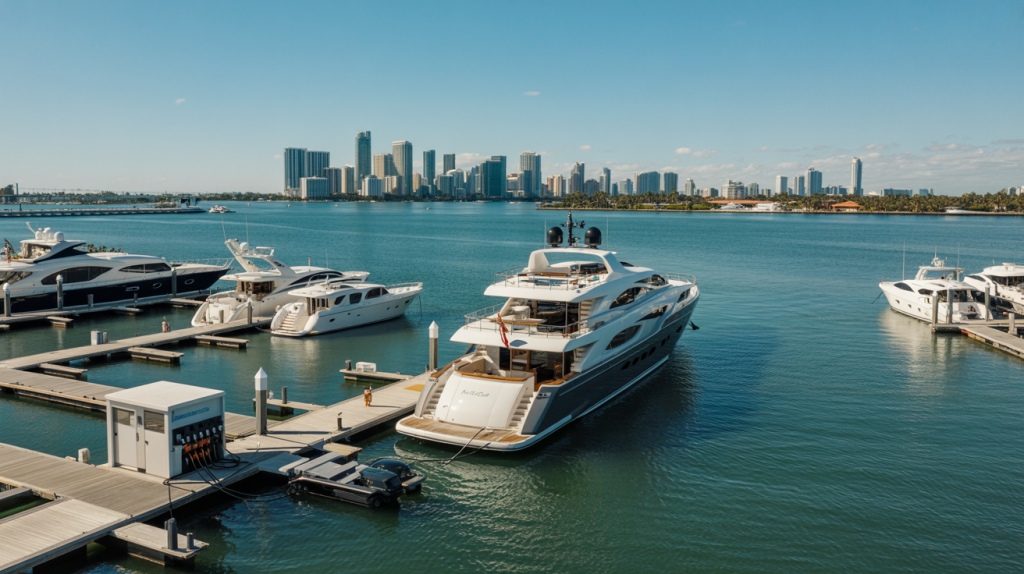
Marinas themselves may temporarily close operations during hurricanes or tropical storms.
Before a major storm, marinas often begin storm preparation procedures, which may include:
During this time, marina fuel operations may be suspended.
Even after a storm passes, marinas may remain closed until staff can inspect docks, fuel pumps, and electrical systems for damage.
This can temporarily limit fueling options in affected areas.
Another factor affecting marine diesel availability is increased demand before severe weather events.
When hurricanes approach coastal regions, boat owners and vessel operators often rush to fuel their vessels before the storm arrives.
This sudden surge in demand can cause fuel docks to experience unusually high traffic.
Similar to how drivers fill their cars before major storms, vessel operators often top off fuel tanks as a precaution. This behavior can temporarily strain local fuel supplies.
In some cases, marinas may run low on available fuel if deliveries cannot keep pace with increased demand.
Storm-related disruptions can also influence fuel pricing.
When supply becomes uncertain or transportation costs increase, fuel prices may fluctuate in affected regions.
Factors that influence pricing during storms include:
While these price fluctuations are usually temporary, they can affect fuel costs during active hurricane seasons.
Captains and yacht managers often monitor fuel markets closely during these periods to plan fueling decisions strategically.
Not all coastal regions experience the same level of disruption during hurricanes. Areas located closer to major fuel production centers, such as the Gulf Coast, may experience more significant supply impacts when refineries shut down.
Meanwhile, regions further away from production hubs may experience delays caused by transportation disruptions. Popular yachting regions that can experience weather-related fuel challenges include:
Captains traveling through these areas during hurricane season often plan fueling stops carefully to avoid potential shortages.
Experienced captains take several proactive steps to reduce the impact of storm-related fuel disruptions.
These strategies may include:
Fueling early
Captains often fuel vessels well before severe weather approaches to avoid last-minute demand surges.
Monitoring weather forecasts
Tracking storm systems allows captains to anticipate potential disruptions in specific ports.
Maintaining flexible fueling plans
Having multiple fueling options across different ports can help reduce dependence on a single location.
Working with reliable fuel suppliers
Suppliers with broad regional networks may help coordinate deliveries when certain marinas experience disruptions.
Planning ahead allows captains to maintain operational flexibility even when weather conditions affect local fuel supply.
For yachts operating in hurricane-prone regions, fuel planning becomes especially important during storm season.
Captains must consider:
Maintaining sufficient onboard fuel reserves can provide added flexibility when local supply becomes temporarily limited.
This proactive approach helps ensure that vessels remain operational even when severe weather disrupts normal fueling operations.
Weather events such as hurricanes can affect marine diesel availability in several ways, from refinery shutdowns and port closures to transportation delays and increased fuel demand.
While these disruptions are usually temporary, they highlight the importance of careful fuel planning for yacht operations.
By understanding how storms influence the marine fuel supply chain, captains and yacht operators can better anticipate potential challenges and adapt fueling strategies accordingly.
With proper planning, reliable supplier relationships, and awareness of regional fuel infrastructure, vessels can continue operating safely and efficiently even during unpredictable weather conditions.