 11
11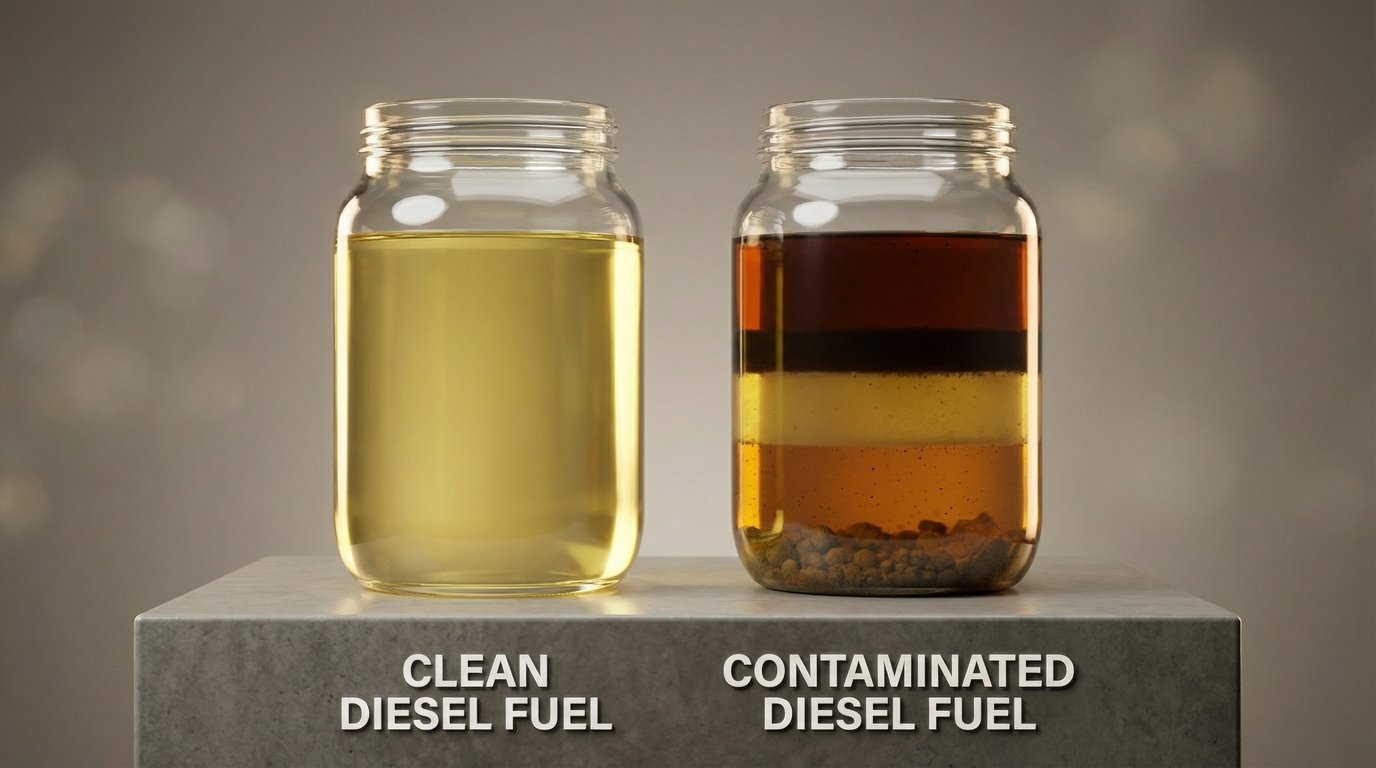
If marine diesel were a character in a novel, it would be the quiet financier. It never asks for applause. It simply powers the voyage. Until the day it doesn’t.
Contaminated marine diesel is one of the most expensive “invisible” problems a yacht owner, captain, or fleet operator can face. Engine failure offshore. Clogged filters mid-charter. Injector damage that quietly compounds into five-figure repair bills. In Florida and other high-traffic marine markets, where turnover is high and temperatures are hotter than a teak deck in July, fuel quality is not a detail. It is a strategy.
This guide will walk you through:
If you’re buying in volume, sourcing wholesale marine diesel, or fueling in South Florida’s high-throughput ports, this becomes even more critical.
“Contaminated diesel” is not just dirty fuel. It typically involves one or more of the following:
Marine diesel operates in a harsher environment than over-the-road diesel. Boats deal with humidity, salt air, temperature swings, and longer storage cycles. All of that makes marine fuel more vulnerable to degradation.
And modern diesel engines? They are precise machines. Tight tolerances. High-pressure injection systems. Minimal forgiveness.
A small contamination issue can cascade quickly.
Let’s open the engine room door and look at what usually goes wrong.
Water is the most common contaminant in marine diesel fuel.
How does it get there?
Water leads to microbial growth, corrosion, and injector damage. It also reduces combustion efficiency.
In Florida’s humid climate, this risk is amplified. Fuel stored even a short time in poorly maintained tanks can develop condensation issues.
2. Microbial Growth (Diesel “Algae”)
Technically, it is bacteria and fungi. Not algae. But the marine industry has called it “diesel algae” for decades.
Microbes thrive at the interface between water and fuel. Once established, they produce sludge that:
If you’ve ever changed a filter and found black slime, you’ve met the culprit.
Over time, storage tanks accumulate:
If a marina’s fuel system is not properly filtered or maintained, those particulates can end up in your tank.
High-volume marinas are not automatically safer. Turnover is good, but maintenance discipline matters more.
Cross-contamination can occur when:
Even small inconsistencies can affect engine performance, particularly in newer Tier III marine engines.
Avoiding contamination is not about luck. It is about systems.
Here’s how experienced captains and fleet operators reduce risk.
Not all marine diesel suppliers operate at the same standard.
Look for:
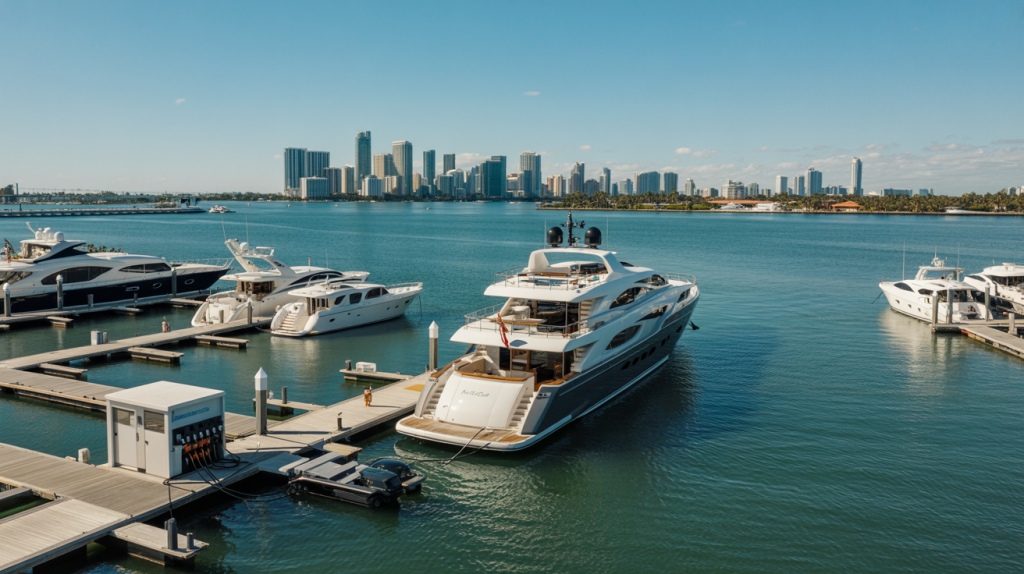
In South Florida, major yachting hubs like Fort Lauderdale and Miami see massive seasonal fuel movement. High turnover helps reduce long-term storage degradation, but only if tanks are properly maintained.
Ask questions:
Professional suppliers will answer confidently.
If fueling dockside:
If fueling by truck:
A five-minute inspection can prevent a five-day mechanical delay.
For larger yachts or commercial operators, sampling is smart practice.
Before taking a large load:
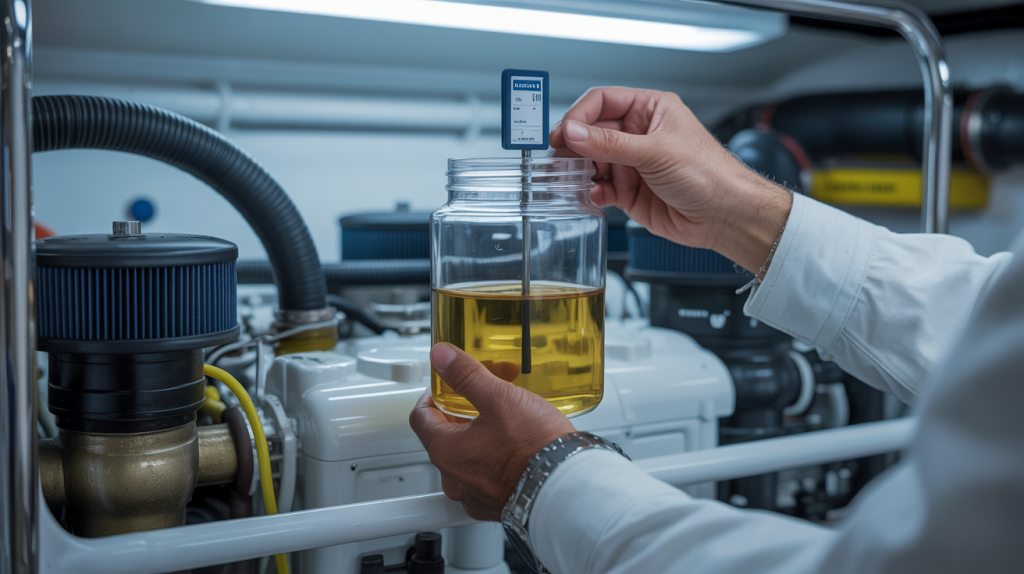
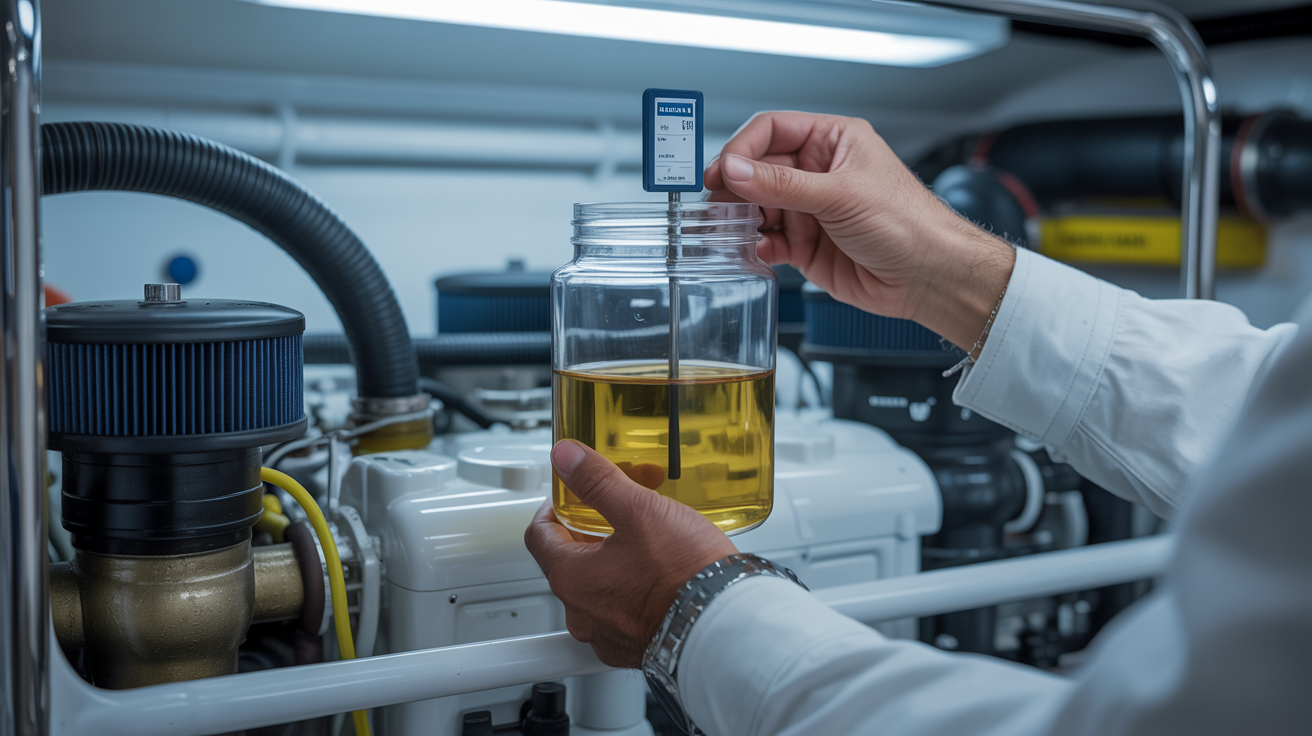
Water typically settles at the bottom. Clean diesel should appear bright and clear.
Many serious operators keep onboard water detection paste or fuel testing kits.
It is a small investment for significant peace of mind.
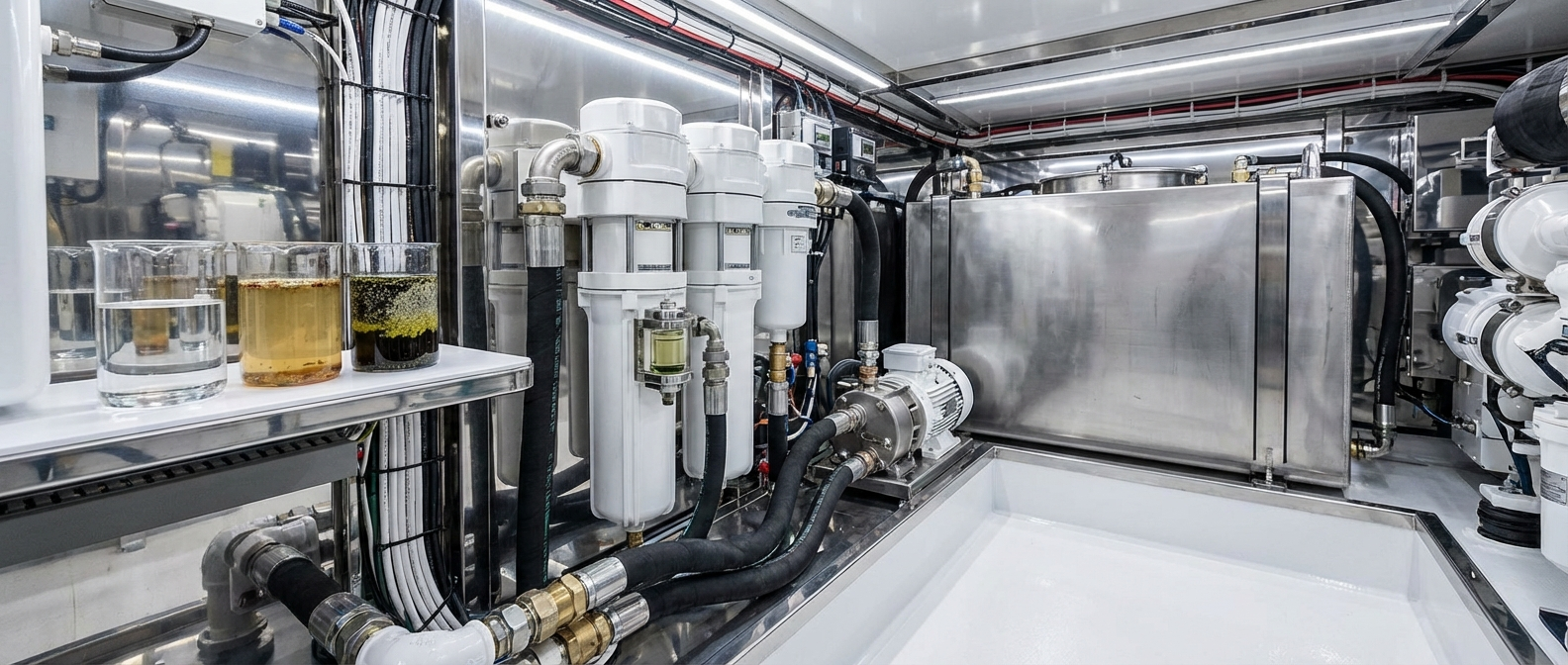
Even if you source fuel carefully, onboard filtration is your last defense.
Key systems include:
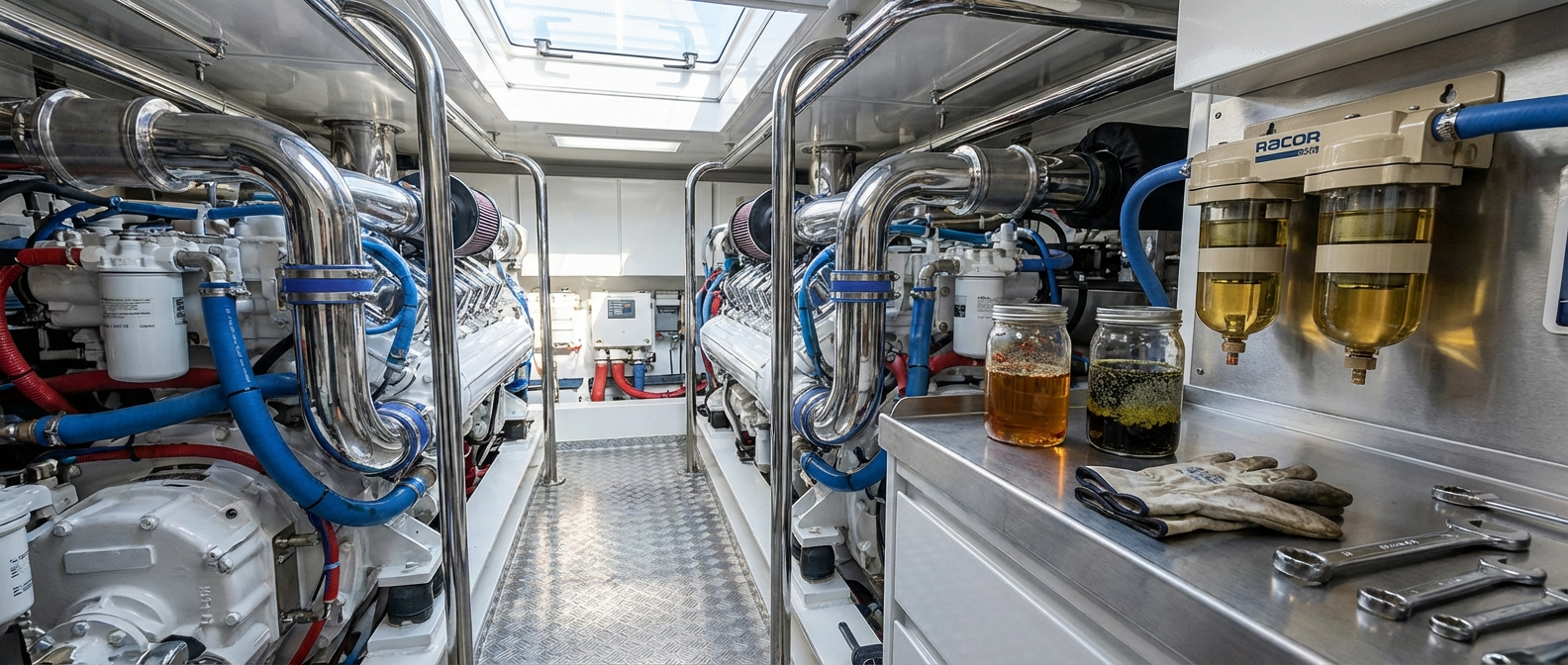
A quality Racor-style system with clear bowls allows visual inspection for water or debris.
For yachts that sit between trips, fuel polishing systems can circulate and filter stored fuel to prevent microbial buildup.
If your yacht sits for extended periods:
These additives help prevent microbial growth and fuel degradation during storage.
However, additives are not a substitute for clean fuel. They are preventative tools, not rescue solutions.
Partially filled tanks create airspace. Airspace creates condensation. Condensation creates water.
Keeping tanks full during downtime reduces moisture accumulation.
In humid climates, this practice alone significantly lowers contamination risk.
Your filters tell a story.
If you notice:
You may have a contamination issue developing.
Do not ignore early signs. Address them before they escalate into engine shutdown.
Sometimes the first clue appears underway.
Common symptoms include:
If these appear shortly after fueling, contamination is a strong possibility.
Immediate action steps:
Waiting rarely improves the situation.
Quality is not determined by “retail” or “wholesale” pricing models. It is determined by handling and infrastructure.
That said, wholesale marine diesel suppliers who specialize in high-volume yacht fueling often:
If you are operating a larger yacht or fleet, working directly with a reputable wholesale marine diesel supplier can reduce contamination risk due to better handling controls.
The key is not price. It is process.
If we compress everything into a checklist:
Marine diesel contamination is rarely caused by one dramatic event. It is usually the result of small overlooked details stacking quietly over time.
Let’s be practical.
Injector replacement on a modern marine diesel engine can cost thousands.
Fuel system cleaning after severe microbial contamination can reach five figures.
A lost charter due to engine trouble can eclipse both.
Compared to that, preventative diligence is inexpensive.
Fuel may be invisible in the tank, but its quality determines everything downstream.
In high-traffic marine markets, diesel moves fast. So do boats. So do schedules.
But contaminated marine diesel does not announce itself with a headline. It creeps in through moisture, neglect, or complacency.
Treat fuel sourcing as part of your operational strategy, not an afterthought at the dock.
If you operate in Florida or other major marine hubs and want guidance on sourcing clean, high-volume marine diesel with proper handling controls, speak with a supplier who understands yacht-specific fueling requirements.
Your engines do not care about the price per gallon nearly as much as they care about purity.
And neither should you.