 11
11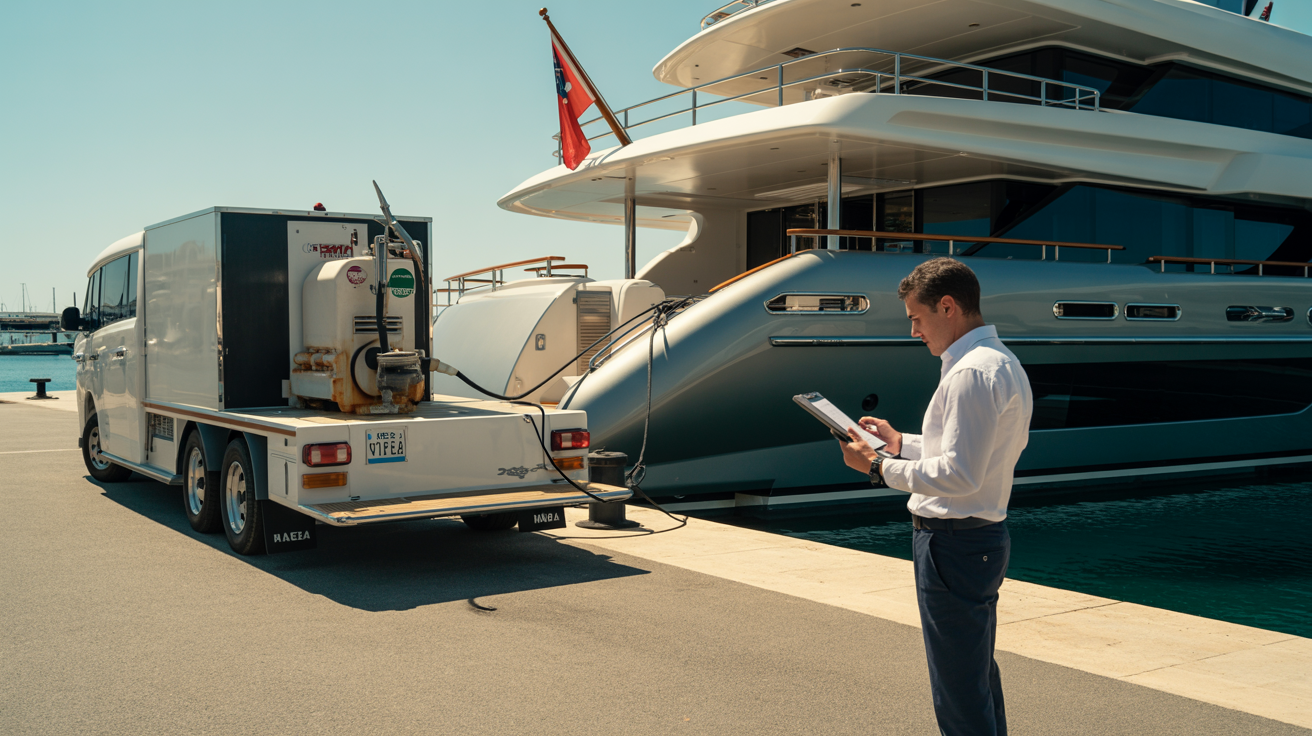
For most vessels, refueling is a routine task. For superyachts, it can be a complex logistical operation that involves timing, global supply networks, fuel quality considerations, and cost management. A yacht might need tens of thousands of gallons of marine diesel, often in locations where supply is limited or infrastructure is inconsistent.
Because of this complexity, many yacht captains and management companies rely on fuel brokers to secure reliable marine diesel. These professionals act as intermediaries between fuel suppliers and vessels, helping captains navigate pricing, logistics, and quality assurance.
While some captains purchase fuel directly from marinas, fuel brokers play a key role in ensuring that superyachts receive competitive pricing, consistent quality, and dependable delivery wherever their itinerary takes them. Understanding how fuel brokers operate can help yacht owners and captains make better decisions when planning fuel procurement.
Fueling a superyacht is not the same as fueling a recreational boat. The scale alone changes everything. A large yacht may require anywhere from 5,000 to 100,000 gallons of marine diesel depending on its size and itinerary. Fuel purchases at this scale represent a major operational expense and require careful coordination.
Several factors complicate the process:
Captains often operate on tight schedules, especially when owners and guests are onboard. Delays caused by fuel availability or delivery issues can disrupt itineraries and create unnecessary stress for crew and management teams. Fuel brokers exist to reduce these risks and simplify the procurement process.
At the most basic level, a marine fuel broker connects yachts with reliable fuel suppliers. But their role typically goes much deeper than simply introducing a buyer to a seller. A good broker manages the entire fueling process from pricing negotiation to delivery coordination.
Typical responsibilities include:
In many cases, brokers also maintain relationships with suppliers in dozens of ports around the world. These relationships allow them to quickly identify the most reliable fueling options based on a yacht’s location.
Instead of spending hours calling marinas or suppliers in unfamiliar ports, captains can rely on brokers who already understand the local market.
One of the biggest advantages fuel brokers offer is access to an established supplier network. Marine diesel suppliers vary significantly from port to port. Some offer excellent quality control and reliable logistics, while others may be inconsistent or difficult to coordinate with.
Fuel brokers typically maintain a vetted network of suppliers across major yachting hubs such as:
Because brokers work with these suppliers regularly, they understand which companies deliver consistently and which ones to avoid. For captains operating in unfamiliar regions, this knowledge is invaluable. It reduces uncertainty and helps ensure that the yacht receives reliable fuel every time.
Fuel is one of the largest operating costs for superyachts. Even small differences in price per gallon can add up quickly when large volumes are involved. Fuel brokers help captains secure competitive pricing by leveraging relationships and volume across multiple vessels.
Rather than negotiating a one-off transaction, brokers often purchase fuel for numerous yachts throughout the year. This aggregated buying power allows them to negotiate more favorable pricing with suppliers.
Pricing strategies may include:
While brokers typically earn a commission or margin, many captains find that the pricing they receive through a broker is still more competitive than negotiating directly with individual marinas.
Fuel quality is a critical concern for yacht captains. Contaminated diesel can lead to clogged filters, engine damage, and costly downtime. Marine fuel brokers help reduce this risk by working with suppliers that meet consistent quality standards.
Many brokers verify that suppliers provide:
Some brokers also arrange for fuel testing when necessary, particularly in regions where quality standards may vary. By working with trusted suppliers, brokers help ensure that yachts receive clean, reliable fuel that will not compromise engine performance.
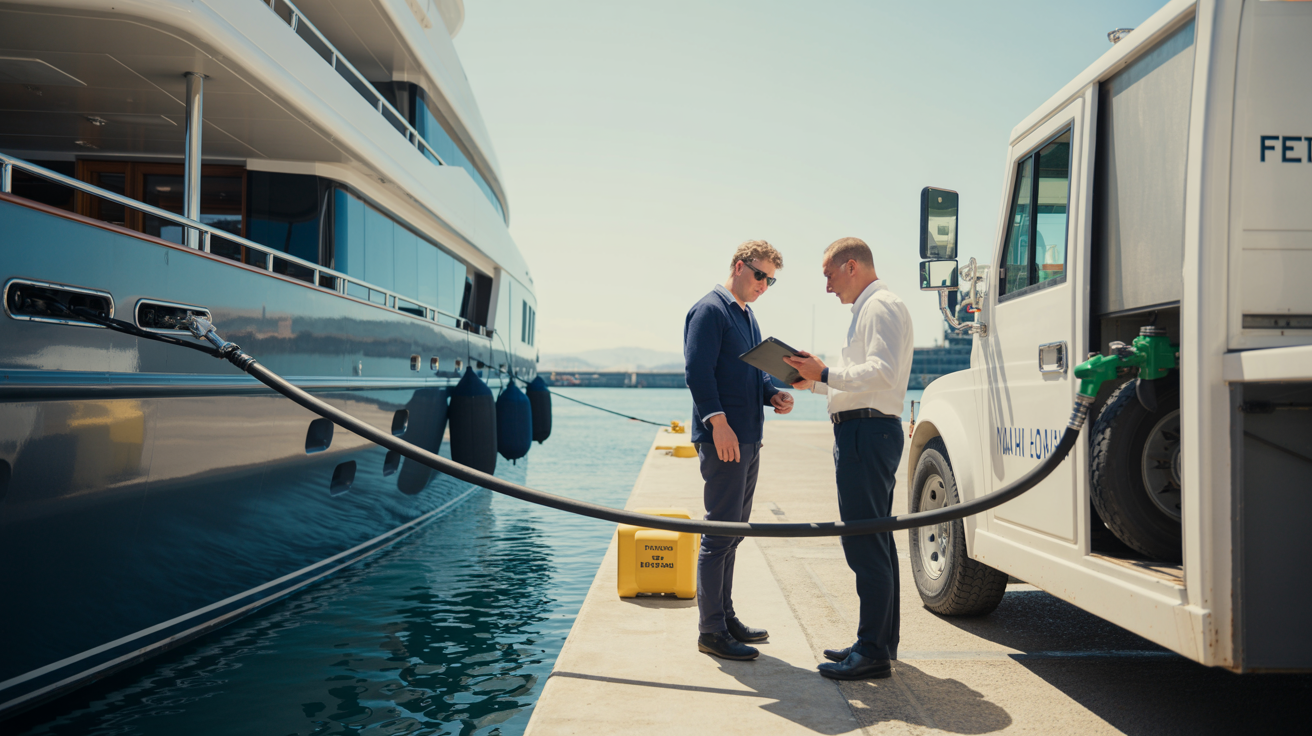
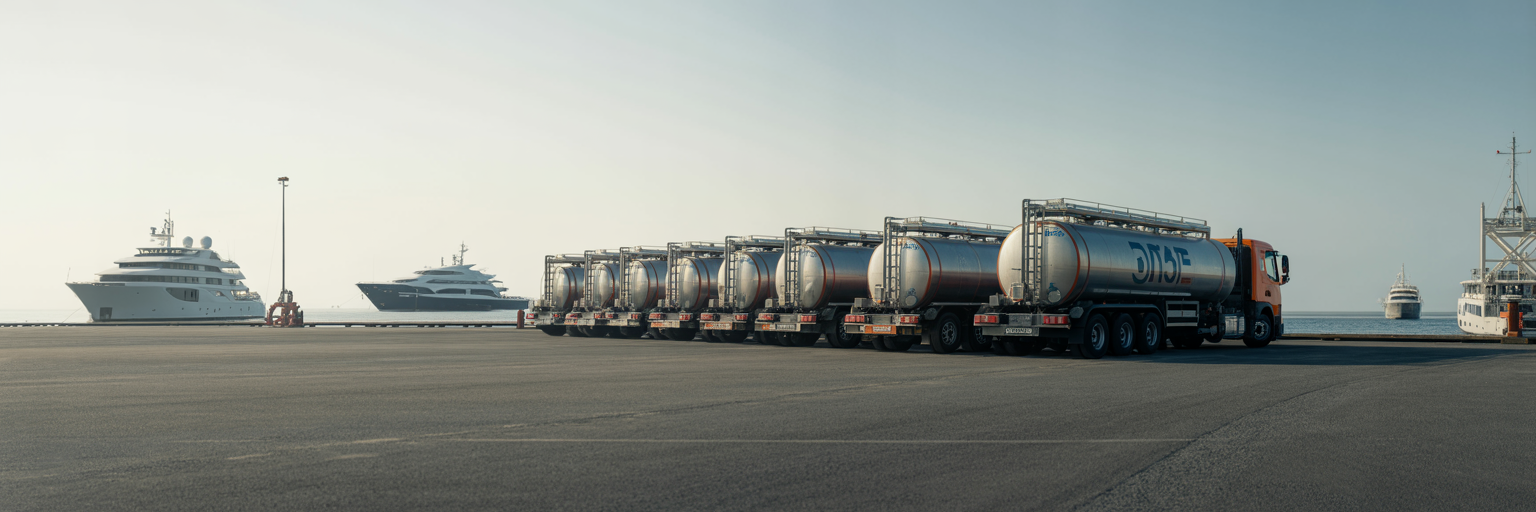
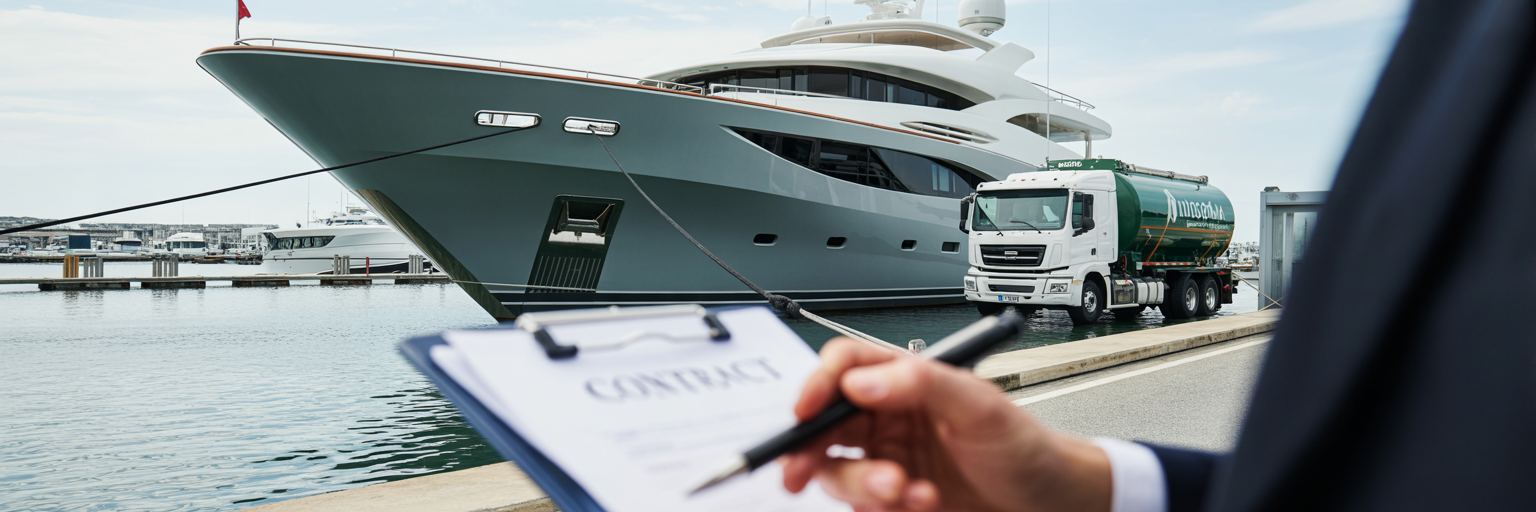
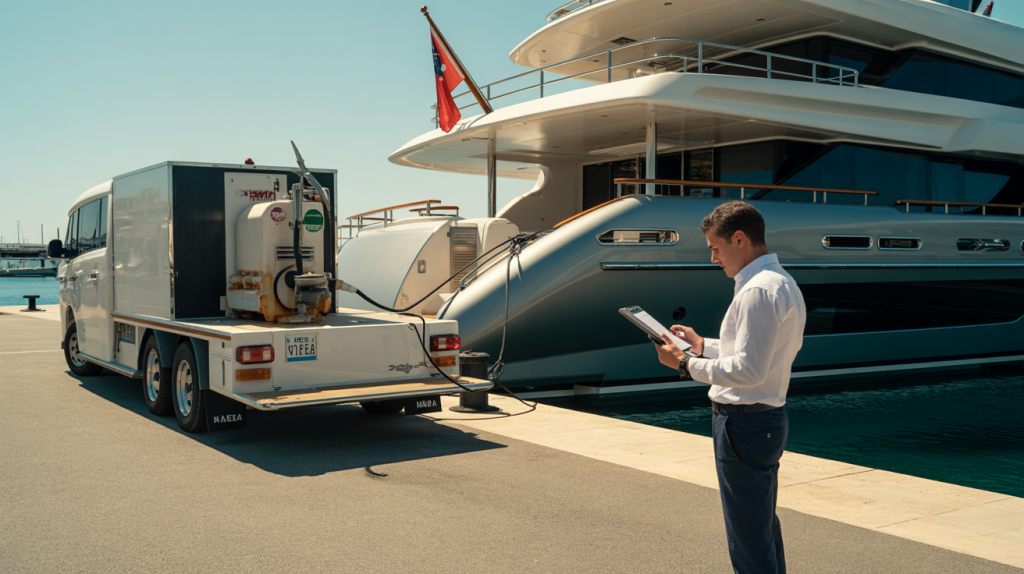
Fuel delivery is not always as simple as pulling up to a marina pump. For larger yachts or certain ports, fuel may be delivered by:
Each method requires coordination with port authorities, marina operators, and local suppliers. Fuel brokers handle much of this coordination. They schedule deliveries, confirm access to docks, and ensure that fueling occurs within the vessel’s operational timeline.
For captains managing busy itineraries, having someone handle these logistics can be a significant advantage.
Fuel brokers also play a role in voyage planning. Because they track fuel availability and pricing across multiple regions, they can help captains decide where it makes the most sense to refuel. For example, fuel pricing in one port may be significantly lower than another port only a few hundred miles away.
A broker may advise a captain to:
This strategic approach helps captains manage fuel costs while ensuring that the vessel always maintains adequate reserves.
Fuel procurement involves more than simply purchasing diesel. It also requires documentation, invoicing, and payment coordination. Fuel brokers often manage much of this administrative work, which can save crew members valuable time.
Tasks handled by brokers may include:
For yacht management companies overseeing multiple vessels, this streamlined process can significantly simplify fuel accounting.
While fuel brokers offer many advantages, some captains still choose to work directly with marinas or suppliers. This approach may work well in ports where the captain has long-standing relationships with local fuel providers.
However, when vessels travel frequently or operate internationally, managing fuel procurement independently can become time-consuming. In these cases, many captains find that brokers offer valuable support by simplifying the process and providing access to a broader supplier network.
As the global superyacht fleet continues to grow, fuel logistics are becoming more complex. Larger vessels require more fuel, travel longer distances, and visit a wider range of ports. Fuel brokers help bridge the gap between these vessels and the global fuel supply network.
By combining market knowledge, supplier relationships, and logistical expertise, brokers help captains secure reliable marine diesel wherever their journey takes them. For superyachts operating on tight schedules and high expectations, this level of coordination can make a significant difference in maintaining smooth operations.