 11
11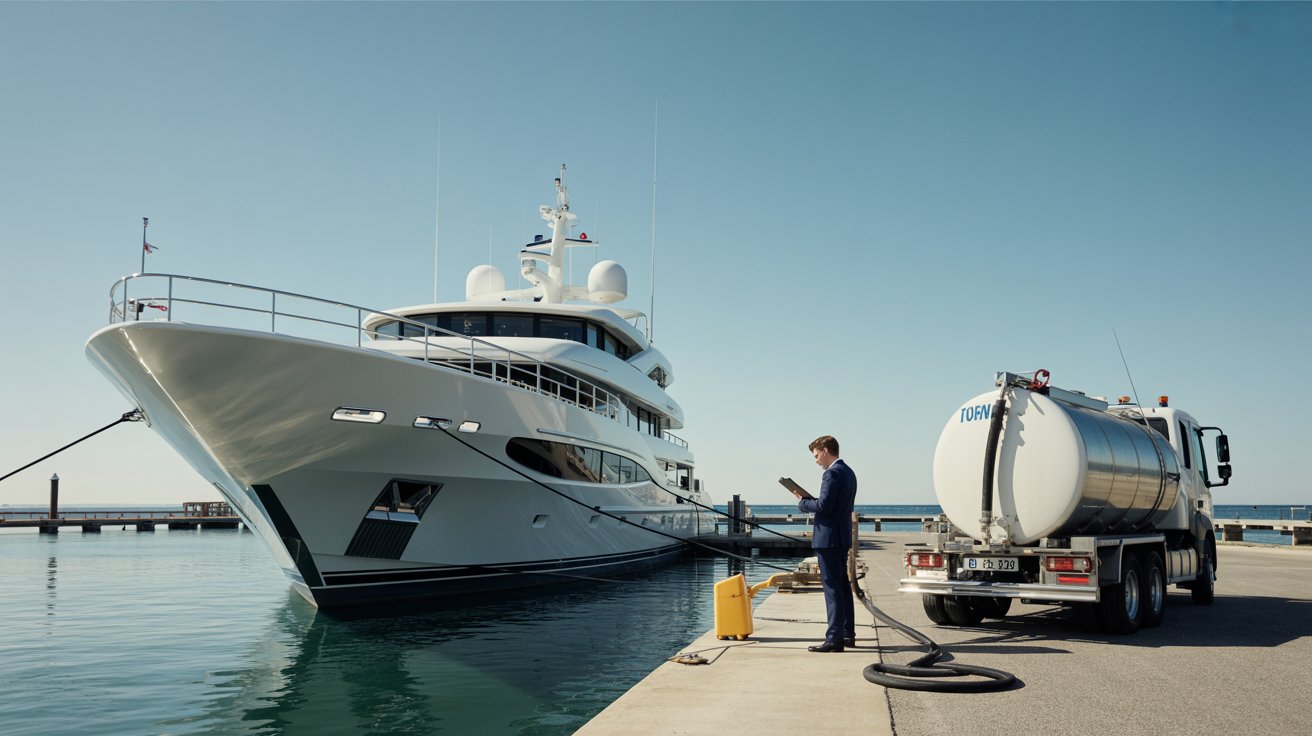
In the yachting world, fuel is not just a line item. It is oxygen for operations. Without it, itineraries collapse, owners grow restless, and charter schedules turn brittle. For yacht management companies, fuel procurement sits at the intersection of logistics, finance, compliance, and relationships.
This guide breaks down how fuel procurement for yacht management companies actually works, who is involved, where margins are found, and how professional managers reduce cost without sacrificing reliability.
If you operate, manage, or advise yachts, this article is designed to rank for and answer queries such as:
Let’s step inside the engine room of the process.
Yacht management companies act as the operational backbone for vessel owners. Firms such as Fraser Yachts, Burgess, and Northrop & Johnson handle everything from crew payroll and compliance to refits and charter logistics.
Fuel procurement typically falls under:
The captain may execute the physical fueling, but procurement strategy is often guided or supported by the management firm.
Why? Because on a 150-foot yacht burning 300–500 gallons per hour, even small price differences can translate into six figures annually.
Before diving into the process, it’s essential to understand the structural difference between retail dock pricing and wholesale procurement pricing.
Retail Dock Pricing
Wholesale Marine Diesel
Yacht management companies often leverage volume across multiple vessels to negotiate wholesale pricing. Instead of each yacht negotiating independently, a fleet relationship can produce leverage.
This is especially relevant in markets like Fort Lauderdale, widely regarded as the “Yachting Capital of the World,” where high volume creates competitive pricing opportunities.
Let’s walk through the step-by-step process.
Fuel planning starts with forecasting:
Management companies often maintain consumption logs and average burn rates. Advanced operators use software integrated with maintenance systems.
The objective: never buy reactively.
Fuel procurement typically involves:
In South Florida, this may include regional distributors and established suppliers serving Port Everglades and surrounding marinas.
Quotes usually factor in:
Timing matters. Marine diesel pricing fluctuates daily based on underlying energy markets.
Price is important. Reliability is critical.
A delayed fuel truck can disrupt:
Management companies vet suppliers based on:
Many yachts require high-grade ultra-low sulfur diesel (ULSD) compliant with international standards.
Here is where management firms create value.
Negotiation may include:
Some arrangements provide rebates directly to the management firm or captain. Transparency is essential. Ethical yacht management firms disclose rebate structures clearly to vessel owners.
Fueling logistics differ by vessel size:
Delivery coordination involves:
Captains typically supervise the physical fueling process.
Because of volume, pricing competition is strong. However, retail docks still command premium rates for convenience.
Procurement planning is especially important here during peak charter months.
Let’s quantify.
If a 180-foot yacht takes on 20,000 gallons:
That single fueling saves $10,000.
If this happens five times annually, that’s $50,000 in savings on one vessel.
Scale that across 10 managed yachts, and fuel procurement becomes a meaningful value driver for management firms.
This is why yacht owners increasingly ask:
Fuel procurement is not just commercial. It is regulatory.
Key considerations include:
Incorrect handling can result in:
Experienced yacht management companies coordinate closely with accountants and maritime attorneys to ensure documentation is precise.
Fuel is combustible capital. Risks include:
Risk mitigation tools:
Procurement done casually invites exposure. Done professionally, it becomes a strategic advantage.
There are two common models:
The strongest operations blend both. The captain executes. Management negotiates structure.
The next evolution includes:
While many yachts still rely on relationship-driven purchasing, data-driven procurement is growing quickly.
The yacht sector historically lagged behind commercial shipping in fuel hedging and structured buying. That gap is narrowing.
If you are a yacht owner, consider asking:
These questions shift fuel procurement from passive expense to strategic asset management.
Many yacht management companies advertise concierge services, crew placement, and charter marketing.
Few highlight fuel strategy.
Yet fuel is one of the largest recurring operational expenses on a motor yacht.
A management company that:
creates tangible value owners can measure.
In markets like Fort Lauderdale and South Florida more broadly, where volume is high and competition is strong, procurement expertise can separate average operators from elite ones.
Fuel procurement for yacht management companies is a disciplined blend of logistics, finance, compliance, and relationships.
At a glance, it may look simple: call supplier, fill tanks, pay invoice.
In reality, it involves forecasting, negotiation, supplier vetting, regulatory compliance, and financial transparency.
When done correctly, it:
In an industry where margins are often hidden beneath polished teak and stainless steel, fuel strategy quietly powers competitive advantage.
For yacht management firms building long-term owner relationships, procurement excellence is not optional.
It is foundational.