 11
11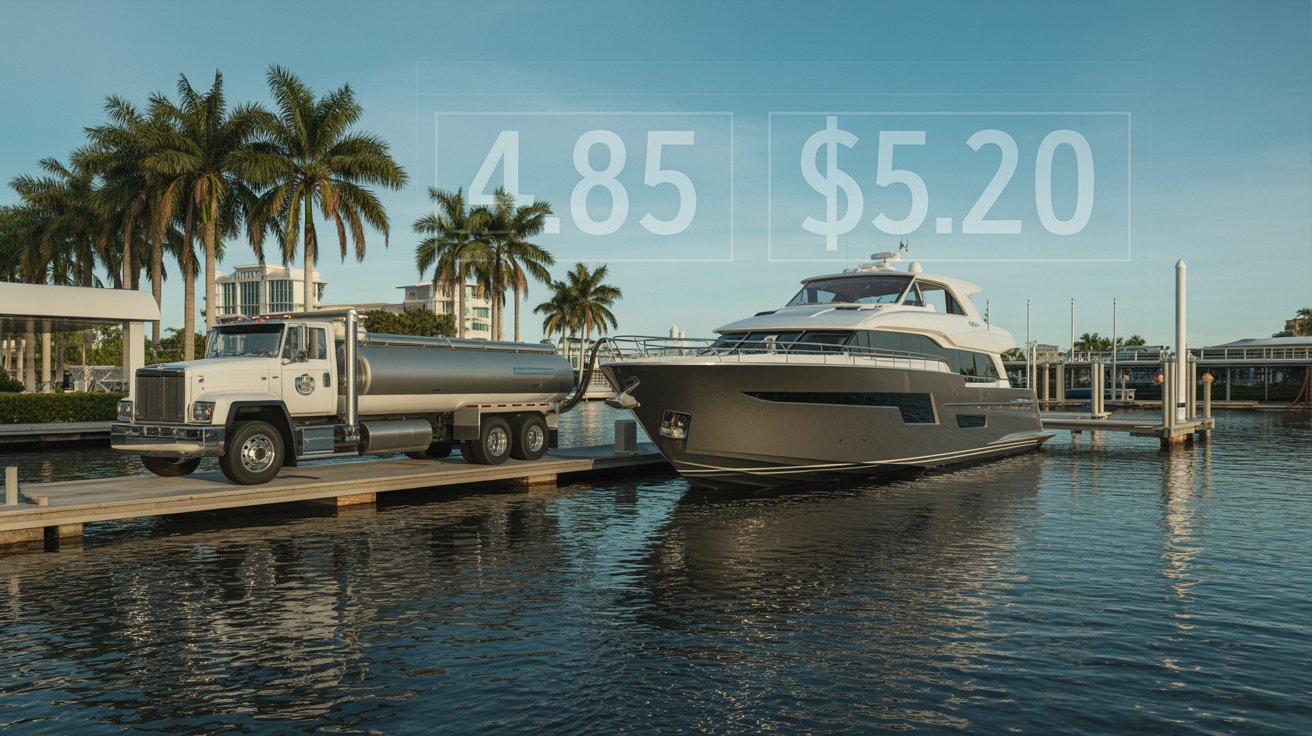
If you own, operate, or manage a yacht in Florida, diesel pricing is not a small detail. It is a line item that can swing tens of thousands of dollars per season.
Florida is the marine fuel capital of the United States. Between Fort Lauderdale, Miami, Palm Beach, Tampa, and the Florida Keys, thousands of vessels move daily. Sportfish boats. Motor yachts. Charter fleets. Superyachts burning 100+ gallons per hour.
Yet most owners never fully understand how marine diesel pricing actually works.
Let’s break it down.
Marine diesel pricing in Florida is built on five primary layers:
Each layer adds friction. Or margin.
The rack price is the starting point.
This is the bulk fuel price at distribution terminals such as those supplied by companies like:
These ports receive refined diesel from Gulf Coast refineries or international suppliers. The rack price fluctuates daily based on:
If you ever see marine diesel moving 20 to 40 cents in a week, that volatility typically starts here.
Now the interesting part.
Marinas rarely sell at rack price.
They purchase diesel in bulk, store it in on-site tanks, and sell it retail at the dock. The difference between their acquisition cost and pump price is their gross margin.
Typical marina markup in Florida ranges from:
Why so wide?
Because marinas are not just fuel stations. Fuel is often their highest-margin product. Dockage alone may not cover their overhead. So fuel becomes the profit center.
In areas like:
High yacht density means less price sensitivity. Owners fueling 1,500 gallons may not question a $1 difference. That is a $1,500 swing.
Captains do.
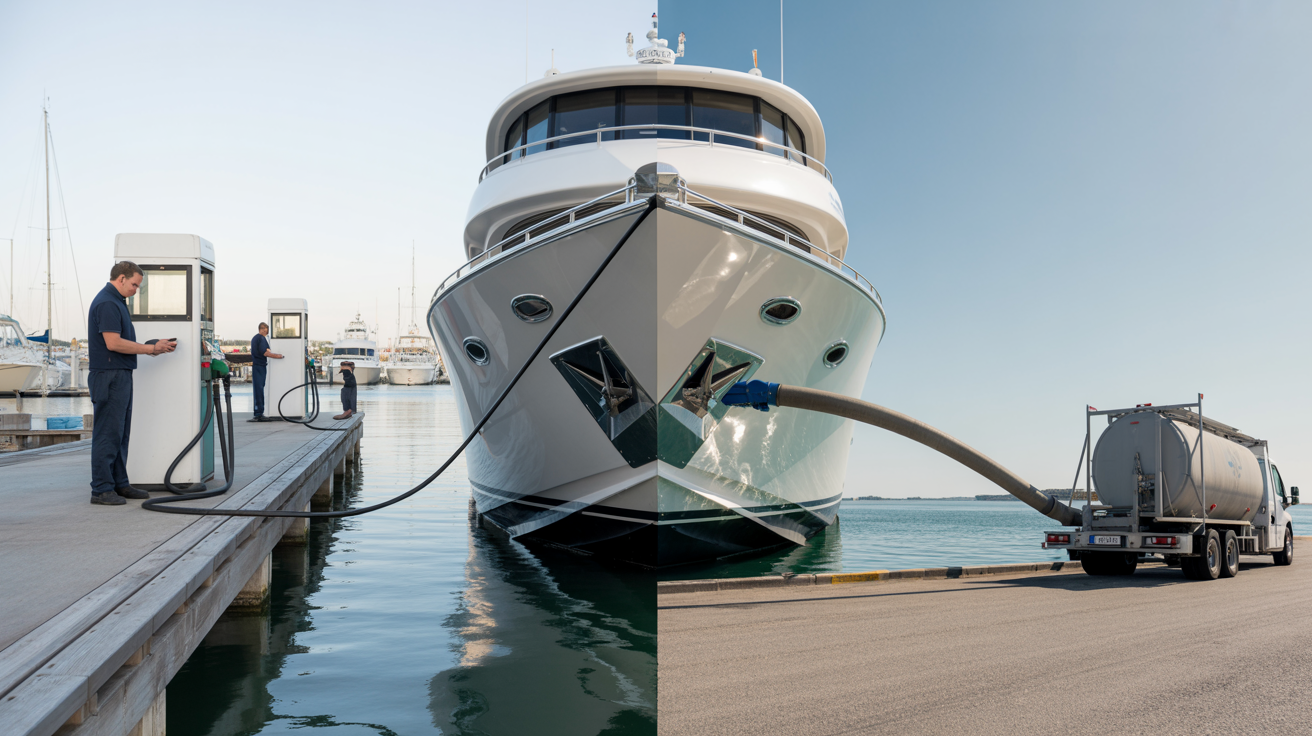
There are two main ways vessels fuel in Florida:
Pros:
Cons:
Bulk fuel distributors can deliver diesel directly to the vessel at the marina.
In many cases, wholesale marine diesel in Florida can run:
On a 2,000-gallon fill:
Multiply that over a season and the numbers become significant.
Florida has unique pricing dynamics compared to inland states.
South Florida has the highest concentration of yachts in the U.S. Demand drives pricing power.
Winter:
Summer:
Storm threats can spike short-term demand. Fuel hoarding before hurricanes pushes temporary price increases.
Florida ports serve Caribbean-bound yachts. When international departure traffic surges, so does demand.
Marine diesel in Florida is typically:
The key difference is tax structure.
Road diesel includes federal and state highway taxes. Marine diesel used for off-road applications typically excludes those highway taxes, though local and environmental fees may still apply.
This is why comparing pump prices at a truck stop to a marina is misleading.
Pricing fluctuates daily, but historically:
In peak demand luxury corridors like Fort Lauderdale, you may see higher spreads due to:
There is a lesser-discussed layer in Florida’s marine fuel ecosystem.
Some distributors offer incentives to captains who direct fueling volume their way. These incentives may come in the form of:
Legality depends entirely on structure and disclosure.
In legitimate wholesale arrangements:
In poorly structured setups, incentives can distort price transparency.
For owners, the key question is simple:
Are you seeing wholesale cost + transparent margin, or are you seeing a retail rate influenced by side incentives?
The biggest variable in Florida marine diesel pricing is volume.
Fueling 200 gallons? Minimal leverage.
Fueling 2,000 gallons weekly? Strong leverage.
Fueling fleet volume across multiple vessels? Now you are negotiating wholesale contracts.
Distributors price based on:
If you are running a sportfish burning 80 gallons per hour and fueling weekly, you should not be paying retail dock rates without exploring wholesale options.
Many yacht owners prefer credit card payments.
However:
That 3% fee on a $10,000 fuel invoice is $300. Over a season, that adds up.
Florida has strict environmental oversight for marine fueling.
Regulations include:
Fuel distributors must maintain:
Compliance costs are baked into pricing.
Compared to some Gulf Coast markets, Florida retail marine diesel often feels high.
Reasons:
You are not just paying for fuel.
You are paying for waterfront convenience.
If you are serious about reducing fuel cost:
The most consistent savings come from:
Marine diesel pricing in Florida is not mysterious.
It is layered.
The rack price sets the foundation. Marinas add retail margin. Distributors compete on volume. Captains influence purchasing channels. Owners often absorb hidden spreads without realizing it.
If you are operating in:
And fueling significant volume, understanding how marine diesel pricing works is not optional. It is operational intelligence.
If you manage a vessel, fleet, or high-volume yacht and want to evaluate wholesale delivery options versus marina dock pricing, request a pricing comparison based on your typical gallons per drop.
Even a $0.60 per gallon difference can change your annual fuel spend dramatically.
Fuel is one of the largest controllable expenses in marine operations.
Structure determines margin.