 11
11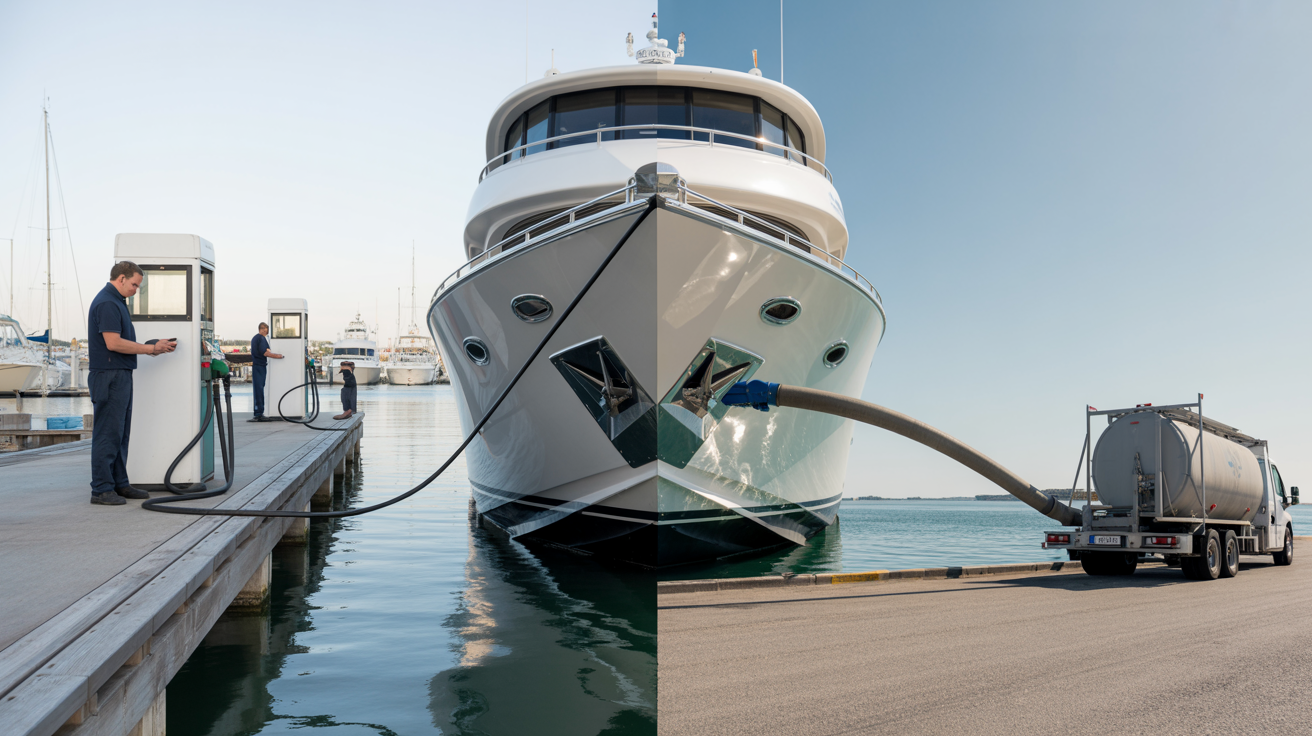
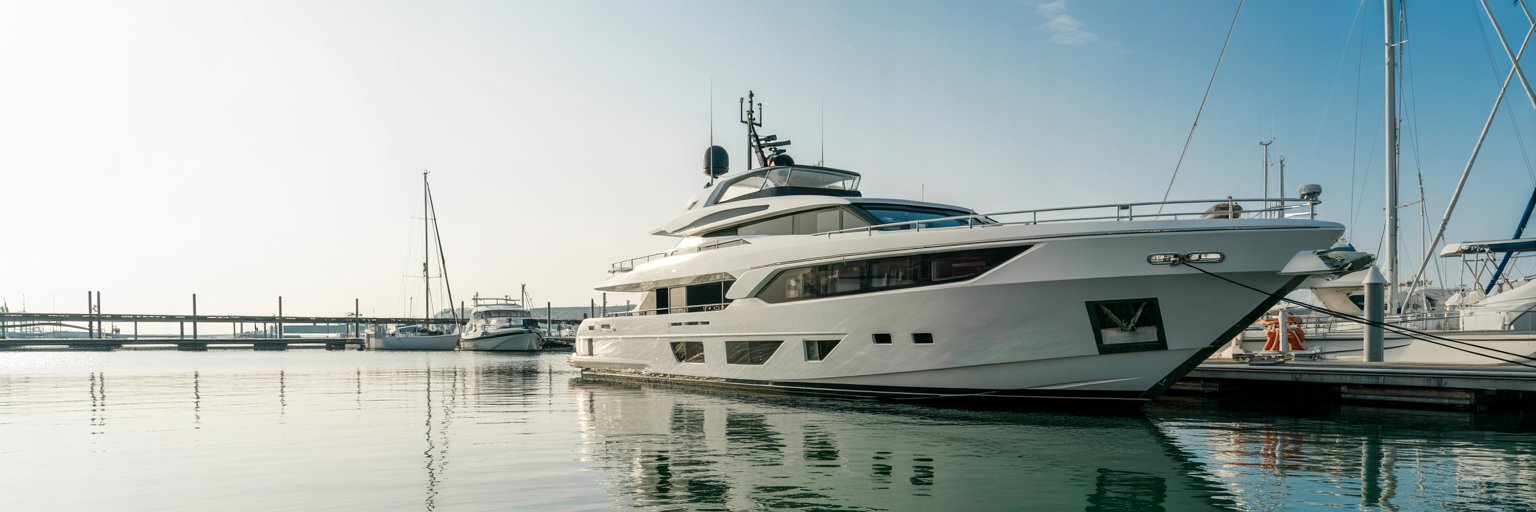
Fueling a yacht is one of the most important operational tasks a captain must manage. Unlike recreational boating, large yachts and superyachts require substantial amounts of marine diesel, often purchasing thousands or even tens of thousands of gallons at a time.
When planning a fueling strategy, captains typically face two primary options: fueling at a marina fuel dock or arranging marine diesel delivery from a wholesale supplier. Both methods are widely used across the yacht industry, but each comes with different advantages depending on the vessel’s size, schedule, and fueling needs.
Choosing the right fueling method can influence operating costs, logistics, and even the reliability of the fuel itself. Experienced yacht captains weigh several factors before deciding whether to fuel directly at a marina dock or coordinate a bulk diesel delivery.
Understanding the differences between these fueling options helps yacht owners, captains, and management companies make informed decisions that support efficient operations and cost management.
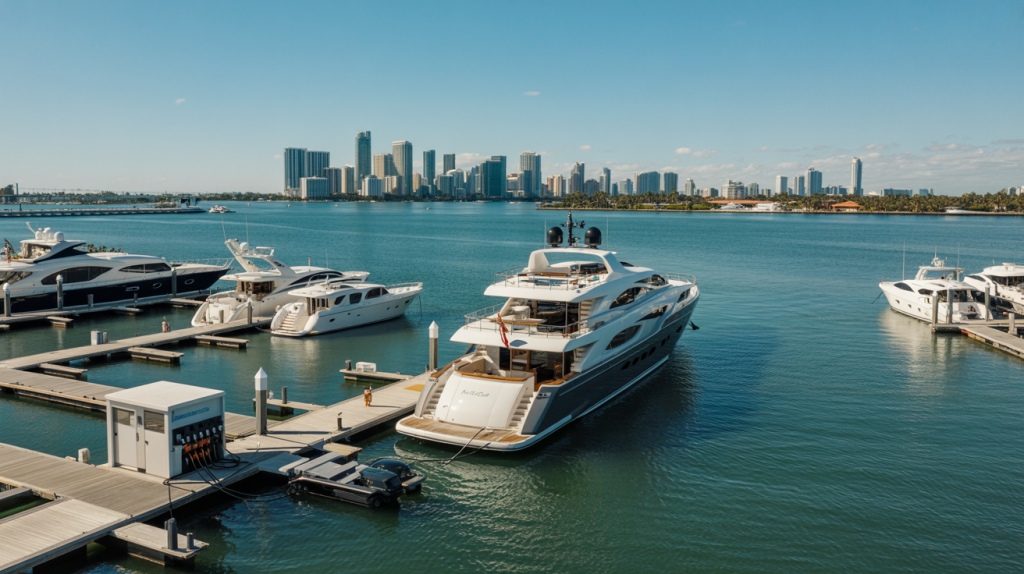
Marina fuel docks are the most familiar fueling option for most boat operators. Located within marinas and ports, these fuel stations allow vessels to pull alongside the dock and pump fuel directly into their tanks. For many yachts, especially smaller vessels, this is the simplest and most convenient fueling solution.
Fuel docks typically offer:
Captains navigating through busy cruising areas often rely on marina docks because they are readily available and easy to access without requiring advanced coordination. However, marina fueling can become more complicated for larger yachts or vessels requiring very large fuel volumes. Some marinas may have limited pump speeds or restrictions on maximum fuel quantities.
Additionally, fuel dock pricing tends to reflect retail markup, which can make it more expensive than wholesale alternatives.
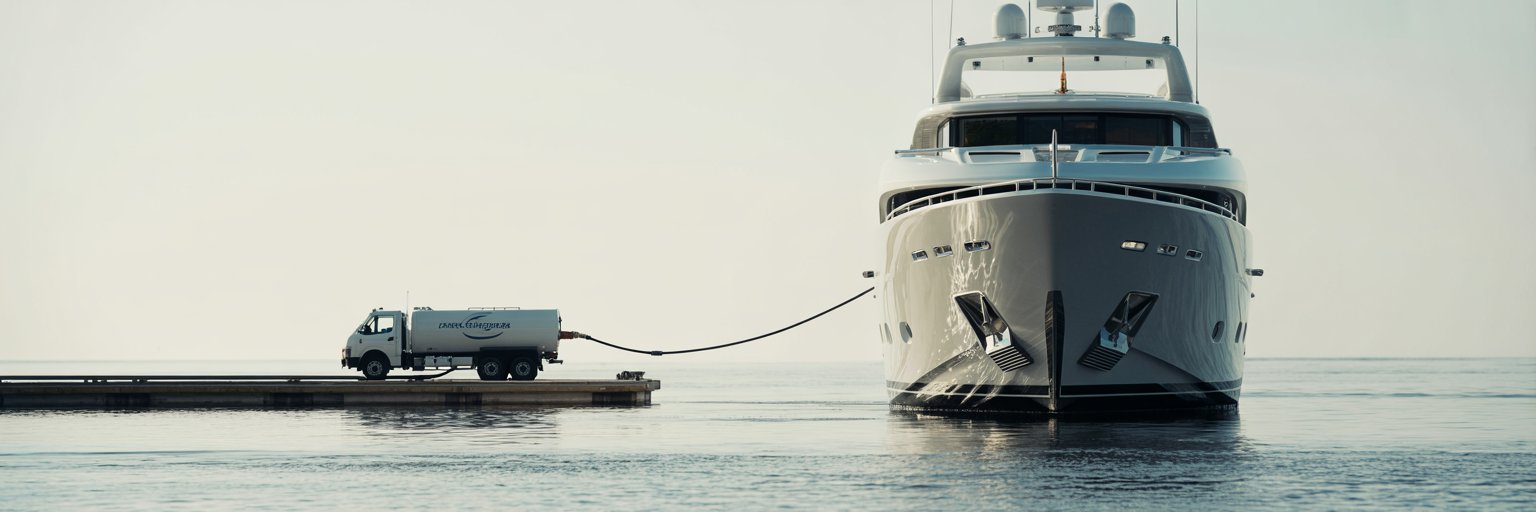
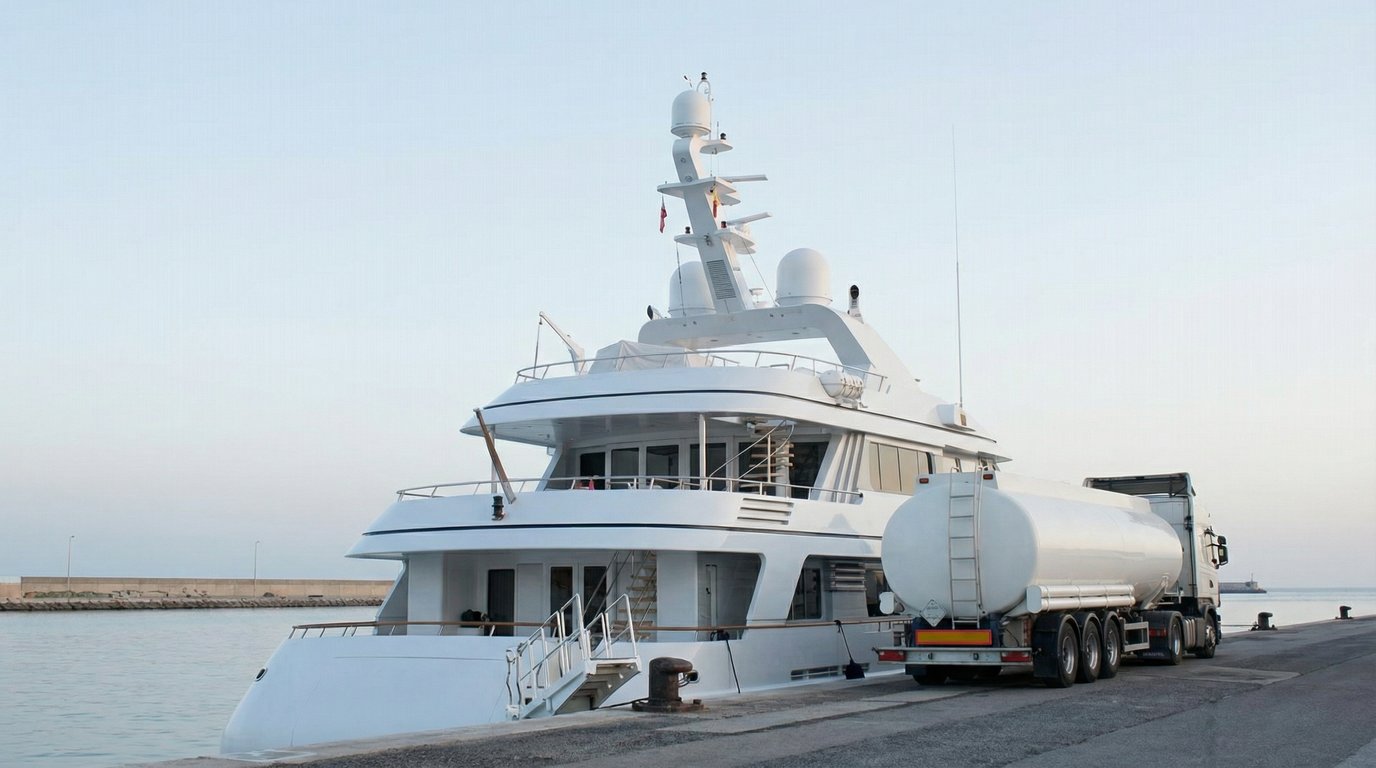
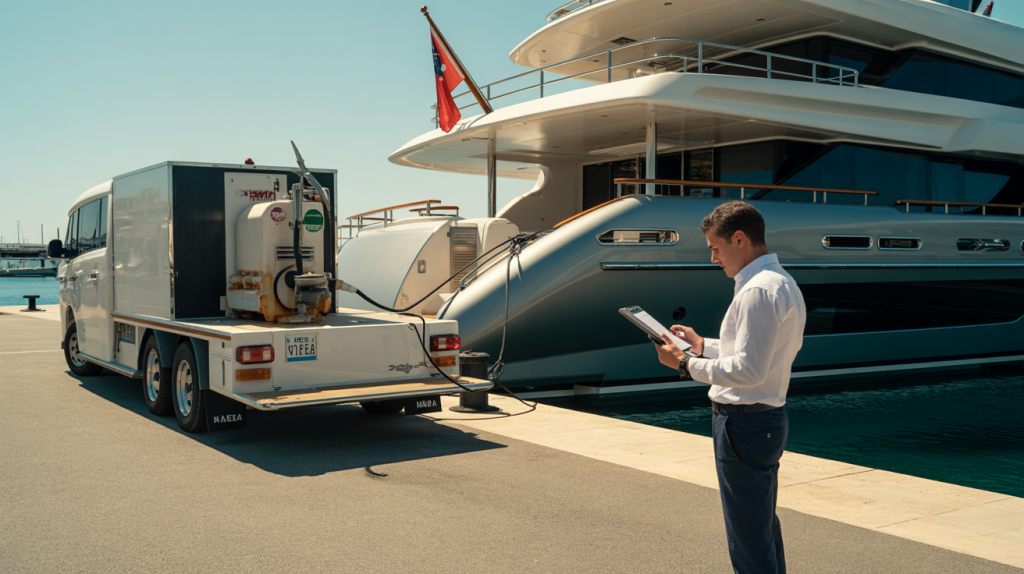
Marine diesel delivery involves transporting fuel directly to the vessel from a fuel distributor rather than purchasing it through a marina pump.
Delivery can occur through several methods:
This method is commonly used by larger yachts, commercial vessels, and superyachts that require significant quantities of fuel. Instead of pulling into a fuel dock, the vessel coordinates a fueling schedule with a supplier. The supplier then delivers fuel to the vessel’s location at a marina, port, or designated fueling area.
Marine diesel delivery is often preferred for bulk fueling because it can provide more competitive pricing and higher volume capacity.
One of the biggest differences between marina fueling and diesel delivery is pricing structure. Marina fuel docks typically sell fuel at retail prices. These prices include several cost factors:
Because of these added expenses, marina diesel prices often carry higher margins compared to wholesale fuel. In contrast, marine diesel delivery often uses rack-based pricing. The rack price represents the cost of fuel at the distribution terminal before transportation and markup.
When fuel is delivered directly from a distributor, the final price may include:
For large fueling orders, wholesale pricing through delivery can often result in lower per-gallon costs. However, delivery suppliers may require minimum fuel quantities to make transportation economically viable.
Fuel quantity is one of the biggest factors influencing whether a captain chooses dock fueling or diesel delivery. Marina fuel docks are designed for a wide range of vessels, from small recreational boats to medium-sized yachts. They are well suited for smaller fueling needs.
However, very large yachts often require extremely high fuel volumes. In these situations, marina pumps may not always be the most efficient option.
Bulk marine diesel delivery offers several advantages for large fuel orders:
For example, a superyacht requiring 20,000 gallons of fuel may find bulk delivery more practical than occupying a marina dock for several hours.
Marina fueling offers one major advantage: convenience. Captains can often fuel immediately without scheduling in advance. This flexibility can be helpful when itineraries change quickly or when a vessel arrives at port unexpectedly.
Fuel delivery, on the other hand, typically requires advance coordination with a supplier. Captains must schedule the fueling window, coordinate marina access if necessary, and ensure the vessel is prepared for the delivery process.
While delivery requires more planning, it can also offer logistical advantages for larger yachts. Suppliers can schedule fueling during quieter marina periods or at designated fueling areas to minimize disruption. For vessels with structured travel schedules, delivery often integrates smoothly into operational planning.
Fuel quality is always a priority for yacht operations. Contaminated diesel can cause engine problems, clogged filters, and expensive repairs. Both marina docks and fuel delivery suppliers typically follow strict fuel handling procedures. However, the quality control processes may vary between providers.
Wholesale fuel distributors often implement multiple layers of fuel quality management, including:
During delivery, captains can often request fuel samples for inspection or testing. Marina docks also maintain quality standards, but fuel may remain in storage tanks for extended periods depending on fuel turnover rates.
Captains often evaluate suppliers based on their reputation for maintaining clean, properly stored fuel.
In popular yachting destinations, marina fuel docks can become extremely busy, particularly during peak cruising seasons. Ports such as South Florida, the Mediterranean, and Caribbean charter hubs often experience heavy fueling traffic.
During peak periods, captains may encounter:
Marine diesel delivery can help avoid these challenges by allowing fueling to occur outside of standard marina fueling stations. Bulk deliveries can often be arranged at quieter docks or coordinated through marina management to reduce congestion.
This flexibility becomes especially valuable for large vessels operating on tight schedules.
Fuel transfers must comply with environmental regulations designed to prevent fuel spills and contamination.
Both marina fuel docks and diesel delivery suppliers operate under strict safety protocols, including:
Fuel suppliers delivering diesel must also comply with transportation and storage regulations governing hazardous materials.
Captains typically work closely with suppliers and marina staff to ensure that fueling operations meet all regulatory requirements.
These procedures protect both the vessel and the surrounding marine environment.
Marine diesel delivery is often the preferred option when:
Superyachts and long-range expedition vessels often rely heavily on delivery-based fueling due to their high fuel consumption.
Marina fueling may be more practical when:
For smaller yachts and recreational vessels, marina fueling remains the most common and convenient option.
For many yacht operations, the decision between marina fueling and diesel delivery depends on operational priorities. Captains must balance several factors when planning fueling strategies:
Some yachts even use a combination of both fueling methods depending on their location and voyage plans. Understanding the advantages of each fueling approach allows captains to choose the most efficient solution for each situation.
As fuel costs continue to represent a major portion of yacht operating budgets, strategic fueling decisions can significantly impact long-term operational efficiency.