 11
11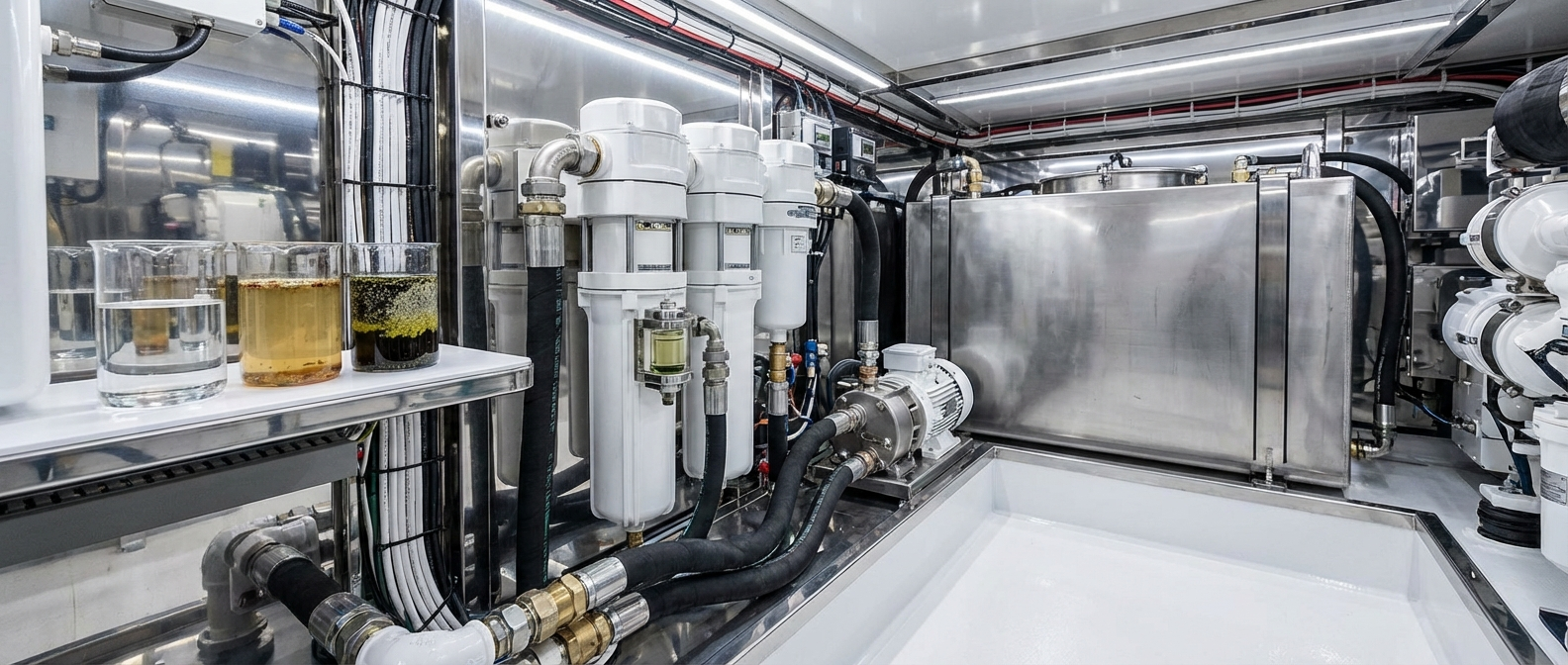
Fuel polishing is one of the most discussed and least understood practices in yacht maintenance. Some captains treat it as routine preventive care. Others view it as an unnecessary expense unless contamination becomes obvious.
The truth sits in the middle.
Fuel polishing is not a cure-all. It is a risk management tool. When used correctly, it protects engines, stabilizes fuel quality, and reduces long-term repair costs. When used indiscriminately, it becomes an avoidable line item without measurable benefit.
Understanding when yachts need fuel polishing and when they do not requires clarity around contamination risk, tank conditions, storage patterns, and fuel usage frequency. Fuel integrity is not a marketing concept. It is a mechanical requirement.
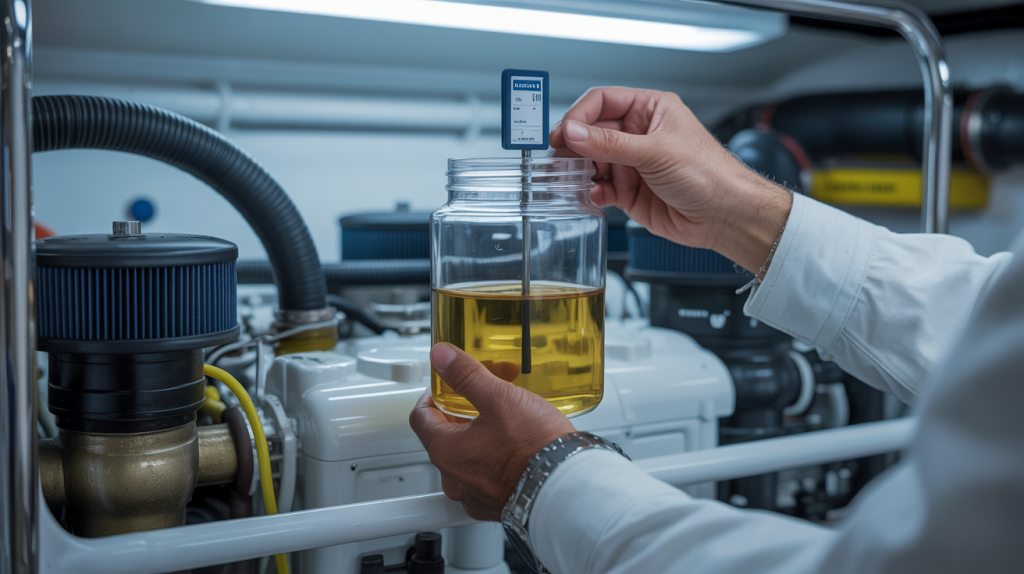
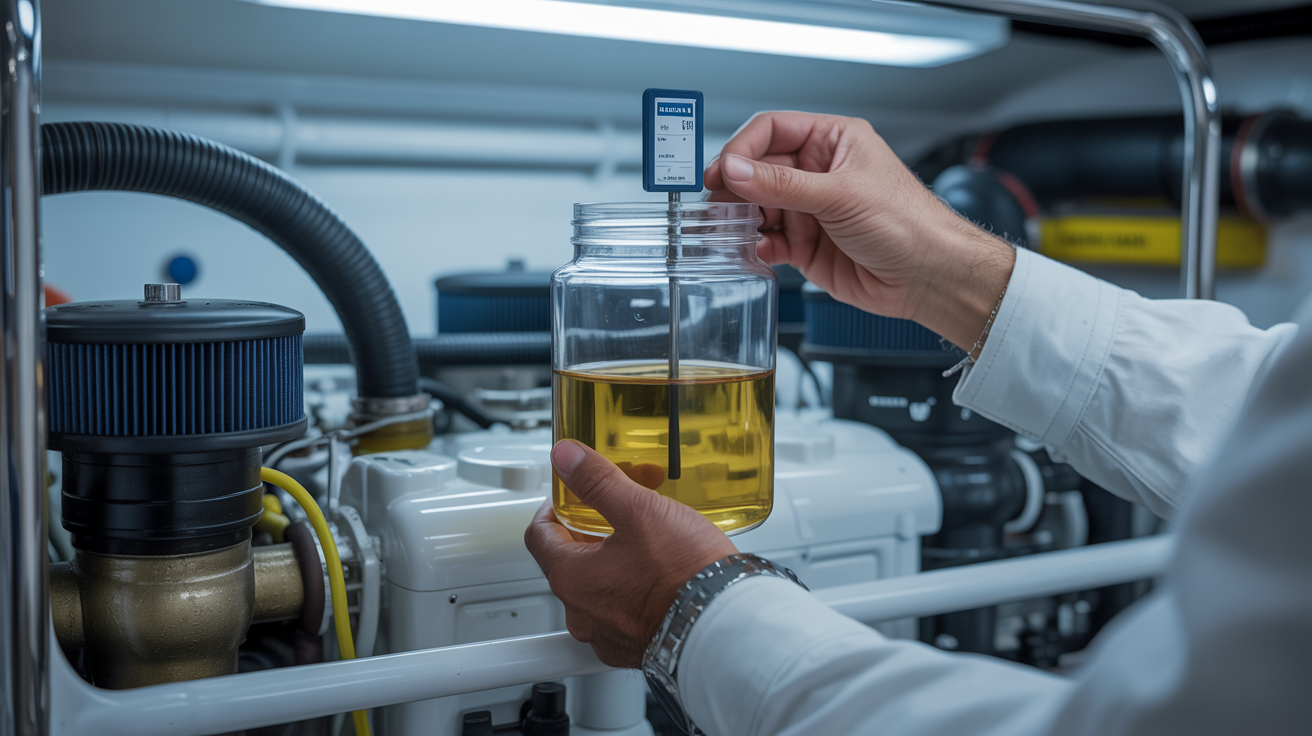
Fuel polishing is a process that circulates diesel fuel from a yacht’s tank through a multi-stage filtration system and returns it to the tank.
The goal is to remove:
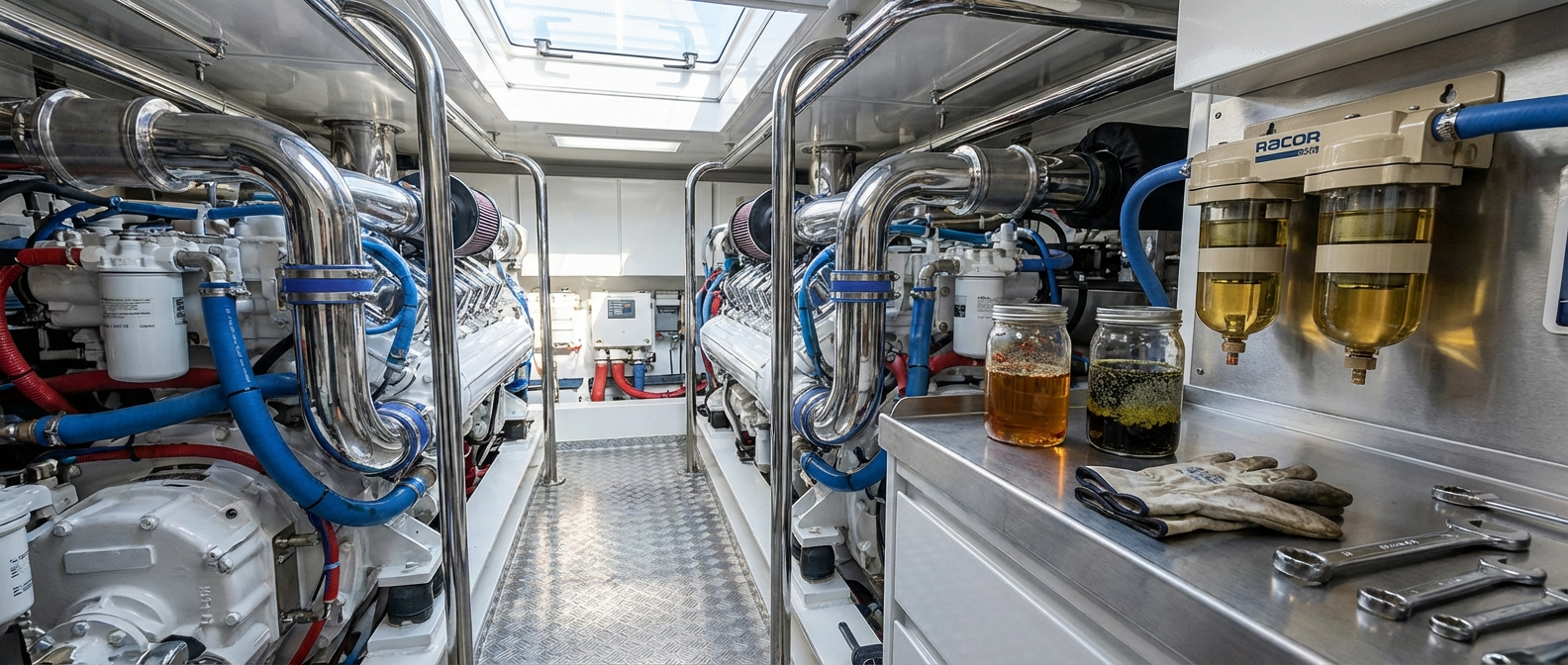
Professional fuel polishing systems typically include:
The process may run for several hours depending on tank size and contamination level. Unlike simply replacing onboard fuel filters, polishing actively cleans the stored fuel itself.
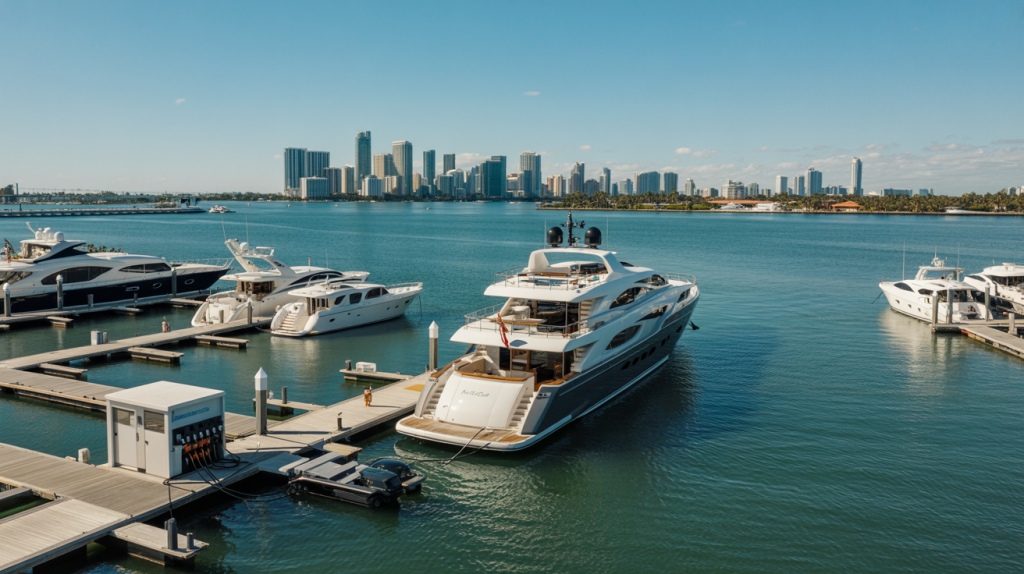
Marine diesel systems face unique conditions compared to land-based fuel storage.
Yachts often:
These conditions increase the likelihood of:
Over months or years, even clean fuel can degrade. Polishing addresses the stored fuel condition, not just the filtration system.
Fuel polishing is most appropriate in certain operational scenarios.
If a yacht sits for extended periods, particularly in humid climates, condensation risk increases.
Partially filled tanks create airspace where moisture can accumulate. That moisture settles below the fuel and supports microbial growth. Yachts stored seasonally often benefit from polishing before returning to heavy operation.
If captains observe:
polishing may be required to restore fuel quality before damage escalates.
At this stage, polishing shifts from preventive to corrective.
For yachts preparing for:
fuel polishing provides added confidence.
Offshore failure due to contaminated fuel is significantly more costly than preventive service dockside. Polishing reduces uncertainty before high-demand engine operation.
Heavy seas can stir up tank bottom sediment that remained undisturbed during calm operation.
If performance issues appear after rough passages, polishing may help remove newly suspended particulates.
Fuel polishing is not mandatory in all cases.
Yachts that:
may not require routine polishing.
Frequent fuel turnover reduces the time available for contamination to develop. Fresh fuel cycling through the system naturally minimizes stagnation risk.
If a vessel:
and shows no contamination symptoms, polishing may be unnecessary.
Preventive monitoring sometimes replaces preventive polishing.
If tanks have been manually cleaned and inspected, and fuel quality has been confirmed, immediate polishing may not add measurable benefit.
The decision should be condition-based, not calendar-based.
Fuel polishing costs vary depending on:
For large yachts, polishing may represent a moderate maintenance expense.
However, compare that cost to:
Preventive polishing is typically far less expensive than reactive repairs.
The key is avoiding unnecessary repetition without evidence of need.
Fuel polishing is effective but not infinite.
It cannot:
If water continues entering through compromised seals or deck fittings, polishing becomes a temporary solution. Effective risk management includes addressing root causes.
Because microbial growth thrives at the fuel-water interface, water management is critical.
Captains should:
Polishing removes existing water and particulates, but preventing water intrusion reduces recurrence.
Water control is long-term prevention. Polishing is periodic correction.
Some captains use biocides or stabilizers to reduce contamination risk. While additives may slow microbial growth, they do not remove existing sludge or water.
Polishing physically removes contamination. Additives chemically treat it. In some cases, both may be used strategically, but additives are not substitutes for filtration.
Rather than automatically scheduling annual polishing, captains can adopt a structured evaluation approach:
If evidence suggests contamination risk, polishing becomes justified. If systems remain stable, monitoring may suffice. Condition-based maintenance protects both engines and budgets.
Fuel polishing should be viewed within the broader fuel quality framework.
That framework includes:
Polishing supports that system. It does not replace it.
For yachts operating high-value charter schedules or offshore voyages, polishing before peak season often provides measurable peace of mind. For high-turnover vessels with consistent fuel cycling, monitoring may be sufficient.
Fuel polishing is neither mandatory nor optional in absolute terms. It is situational.
The decision depends on:
Captains who treat fuel integrity strategically rather than reactively reduce long-term financial exposure. Clean fuel protects injectors. Clean injectors protect engines. Protected engines protect schedules.
Fuel polishing, when applied intelligently, supports that chain of reliability. Understanding when it is necessary and when it is not is part of professional yacht management.